Is Ford a Luxury Brand?
In the ever-evolving landscape of the automotive industry, the categorization of car brands into luxury or non-luxury is often a subject of debate. While brands like Mercedes-Benz, BMW, and Lexus are unmistakably luxury, the status of Ford invites examination. This blog post delves into the positioning of Ford within luxury brand hierarchies by exploring the larger context of automotive groups and their luxury offerings. By comparing Ford to other automotive powerhouses and their luxury brands, we can better understand where it stands in terms of luxury and prestige.
Luxury Brand Parent Corporations and Automotive Groups
Acura
Acura, the luxury vehicle division of Japanese automaker Honda, was launched in 1986. It marked Honda’s foray into the luxury market, offering a mix of performance and luxury features often associated with more costly brands. Acura is known for models like the Acura MDX and Acura TLX, which have carved a niche for themselves by balancing innovation with reliability.
Created to compete with American and European luxury brands in the U.S., Acura’s rise reflects Honda’s strategic approach to blending affordability with luxury. By establishing Acura, Honda presented a new segment that challenged traditional luxury labels, showing that innovation and performance could rebrand consumer perceptions.
Alfa Romeo, Chrysler, Fiat, and Maserati
The convergence of Alfa Romeo, Chrysler, Fiat, and Maserati under Stellantis highlights a wide array of both mass-market and luxury offerings. Maserati stands as the quintessential luxury brand among them, showcasing Italian craftsmanship and sophisticated design synonymous with high-end luxury and performance vehicles.
Alfa Romeo provides a sporty edge with its line of performance-oriented vehicles, blending luxury with driving excitement. Chrysler and Fiat cater to the broader audience, though Chrysler’s higher-end models, like the Pacifica, flirt with luxury features, indicating how these brands differentiate themselves within the Stellantis portfolio.
Audi, Bentley, Lamborghini, and Porsche
Volkswagen Group’s suite of luxury brands includes Audi, Bentley, Lamborghini, and Porsche, each representing a different facet of luxury. Audi is renowned for its blend of technology and style, promoting its vehicles as progressive luxury choices for modern consumers.
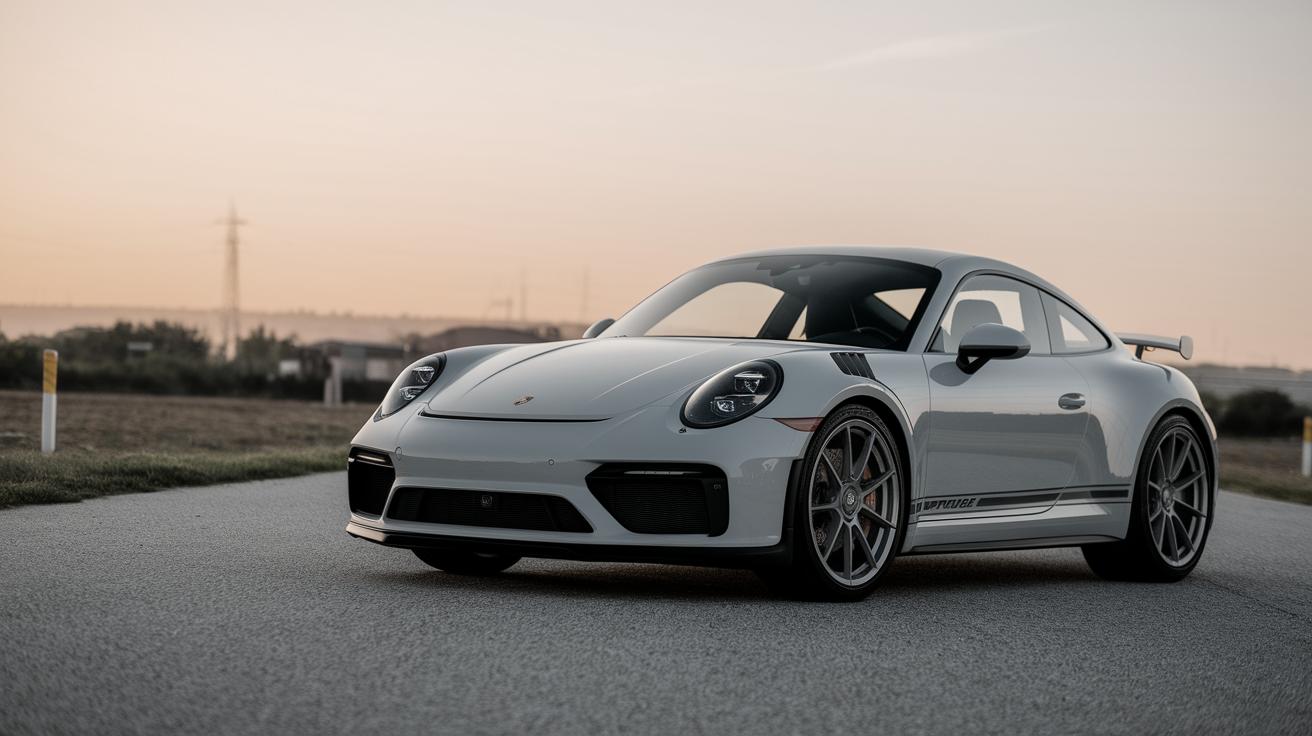
Bentley and Lamborghini represent the epitome of automotive opulence. While Bentley focuses on unparalleled luxury and craftsmanship, Lamborghini offers high-performance supercars that push technological and stylistic boundaries. Porsche, meanwhile, straddles the line between performance and luxury, appealing to those who seek a sporty yet upscale driving experience.
Buick and Cadillac
General Motors’ luxury segment is highlighted by Buick and Cadillac. Cadillac embodies American luxury, offering vehicles like the Escalade and CT6 that boast advanced technology and superior comfort. It’s a brand deeply entwined with American luxury history, frequently associated with elegance and status.
Buick positions itself slightly below Cadillac, providing premium yet accessible vehicles. It’s known for its refined design and comfort, appealing to those who desire a taste of luxury without stepping into the more expensive Cadillac lineup. This differentiation allows GM to target a broad spectrum of luxury car buyers.
BMW, Mini, and Rolls-Royce
Bayerische Motoren Werke AG, or BMW, oversees brands that cater to various luxury segments. BMW itself is synonymous with luxury and performance, often lauded for its driving experience and meticulous engineering. By offering a diverse range of vehicles, from sporty coupes to luxurious SUVs, BMW maintains its reputation as a staple in luxury automotive circles.
Mini offers a unique take on premium small cars, combining quirky design with upscale quality, attracting a youthful and trendy demographic. Rolls-Royce, in contrast, epitomizes ultimate luxury, each car deemed a piece of art, crafted to perfection, and tailored to the individual’s desires, exclusively serving the upper echelons of society.
Genesis
Genesis, a relatively new luxury brand under Hyundai, has quickly garnered attention for its compelling combination of design, performance, and value. With models like the Genesis G80 and GV80, the brand illustrates an aggressive strategy to penetrate the luxury market dominated by established European and American brands.
The brand focuses heavily on customer experience, offering concierge service and complimentary maintenance, hallmarks of traditional luxury experiences. Genesis is rapidly crafting a niche for itself, delivering a luxurious experience at a competitive price point, shaking up the traditional luxury automotive sector.
Infiniti
Nissan’s luxury division, Infiniti, emerged as a contender in the luxury automotive market with its stylish design and innovative technology. Targeted primarily at the American market, Infiniti blends Japanese engineering with luxury detailing, striving to deliver a premium experience.
Infiniti models like the Q50 and QX80 are known for their cutting-edge performance features and luxurious interiors. While Infiniti faces stiff competition from other luxury brands, its focus on innovation and style helps retain a steady following among luxury car enthusiasts seeking something distinct.
Jaguar and Land Rover
Under the ownership of Tata Motors, Jaguar and Land Rover continue to represent British luxury and prestige. Jaguar is synonymous with elegant luxury and refined performance, offering vehicles that blend heritage with contemporary innovation.
Land Rover, known for its robust and luxurious SUVs, combines off-road capability with upscale comfort, making it a favorite among those who seek adventure wrapped in luxury. Together, these brands cater to a clientele that values heritage, performance, and the unmistakable feel of British luxury.
Lexus
Toyota’s luxury division, Lexus, is an exemplar of reliability and luxury combined. Since its introduction in 1989, Lexus has become synonymous with luxury craftsmanship and cutting-edge technology, often innovating in automotive luxury.
Models such as the Lexus LS and RX are celebrated for their comfort, quality, and technology, consistently ranking high in customer satisfaction surveys. Lexus illustrates how a brand can leverage its parent company’s engineering prowess to offer luxury that competes with the best in the market.
Lincoln
Lincoln, Ford’s luxury division, symbolizes American luxury with a lineage dating back to the 1920s. Known for models like the Navigator and Aviator, Lincoln combines modern luxury with Ford’s commitment to quality and innovation.
Recent years have seen Lincoln’s resurgence, focusing on creating unique luxury experiences with each model, integrating advanced technology with comfort. As Ford’s luxury brand, Lincoln represents the closest affinity Ford holds within the luxury automotive market, albeit not comparable to standalone luxury giants.
Mercedes-Benz
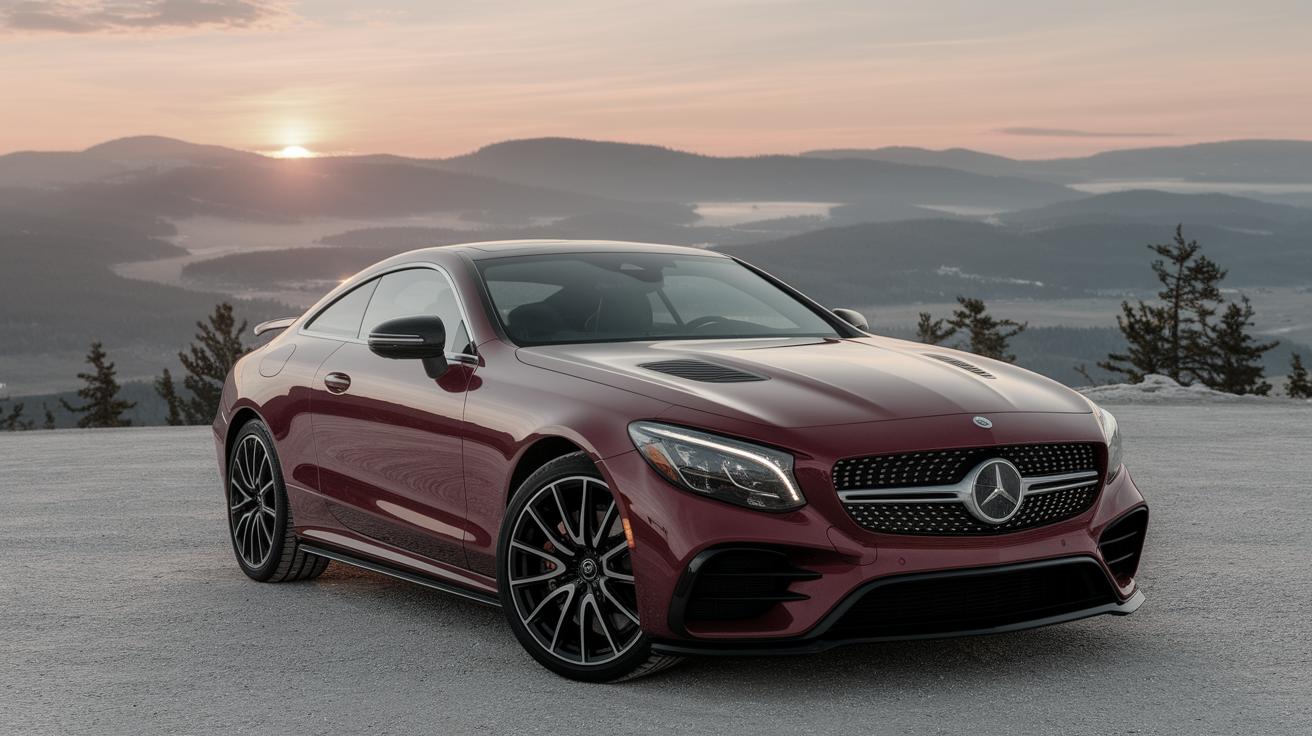
Mercedes-Benz stands as a pillar in the luxury automotive industry, with a history of crafting vehicles that epitomize luxury and innovation. Their diverse lineup, from the A-Class to the S-Class, ensures a luxurious offering for every market segment.
The brand’s commitment to quality, luxury, and advanced technology has earned it an esteemed position in the automotive world. Mercedes-Benz’s influence extends beyond its vehicles, setting standards for luxury automobile innovation globally.
Volvo
Volvo, while historically known for safety, has cemented its status as a luxury brand with a focus on design and technology. Owned by China’s Geely Holding, Volvo continues its legacy through models like the XC90 and S90, showcasing Scandinavian luxury defined by minimalist elegance.
With innovations in hybrid technology and a commitment to sustainability, Volvo provides a distinct luxury experience, appealing to customers who value eco-conscious design and safety as part of their luxury vehicle experience.
More from Bell Auto
Bell Auto continues to provide insights and updates on the automotive industry, including new trends, vehicle reviews, and market analysis. As the automotive landscape shifts towards electric vehicles and new luxury definitions, keeping informed with Bell Auto is key for enthusiasts and consumers alike.
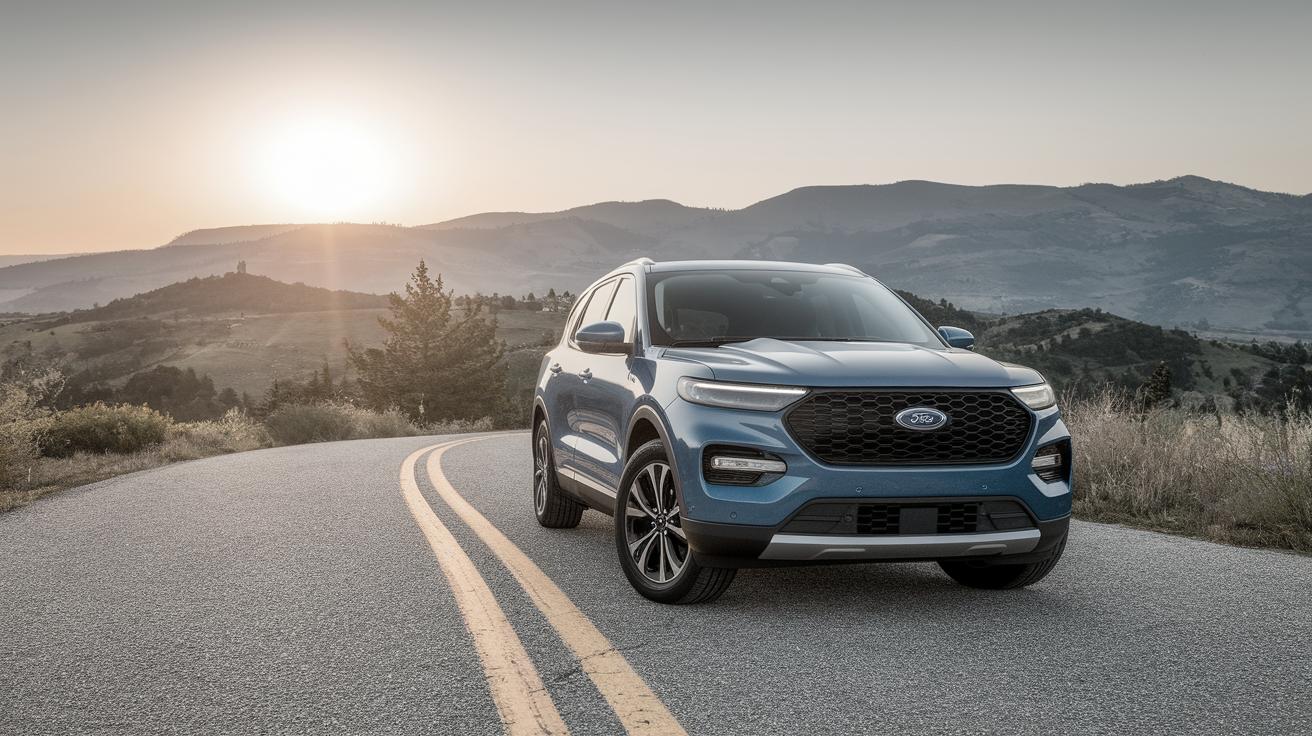
Exploring whether Ford classifies as a luxury brand requires understanding its strategic positioning and comparing it to the industry’s acknowledged luxury stalwarts. While Ford itself isn’t labeled a luxury brand, its Lincoln division holds Ford’s luxury mantle, showcasing how legacy brands navigate the luxury segment.
Future Prospects
| Brand Group | Luxury Brands | Key Features |
|---|---|---|
| Honda | Acura | Performance, Reliability, Affordability |
| Stellantis | Maserati, Alfa Romeo | Italian craftsmanship, Performance |
| Volkswagen | Audi, Bentley, Lamborghini, Porsche | Technology, Style, Supercars |
| General Motors | Cadillac, Buick | American luxury, Comfort |
| BMW Group | BMW, Rolls-Royce, Mini | Performance, Ultimate Luxury |
| Hyundai | Genesis | Design, Value, Customer Experience |
| Nissan | Infiniti | Innovation, Style |
| Tata Motors | Jaguar, Land Rover | British Luxury, Off-road Capability |
| Toyota | Lexus | Craftsmanship, Technology |
| Ford | Lincoln | Modern Luxury, Heritage |
| Daimler AG | Mercedes-Benz | Innovation, Luxury |
| Geely Holding | Volvo | Safety, Scandinavian Design |