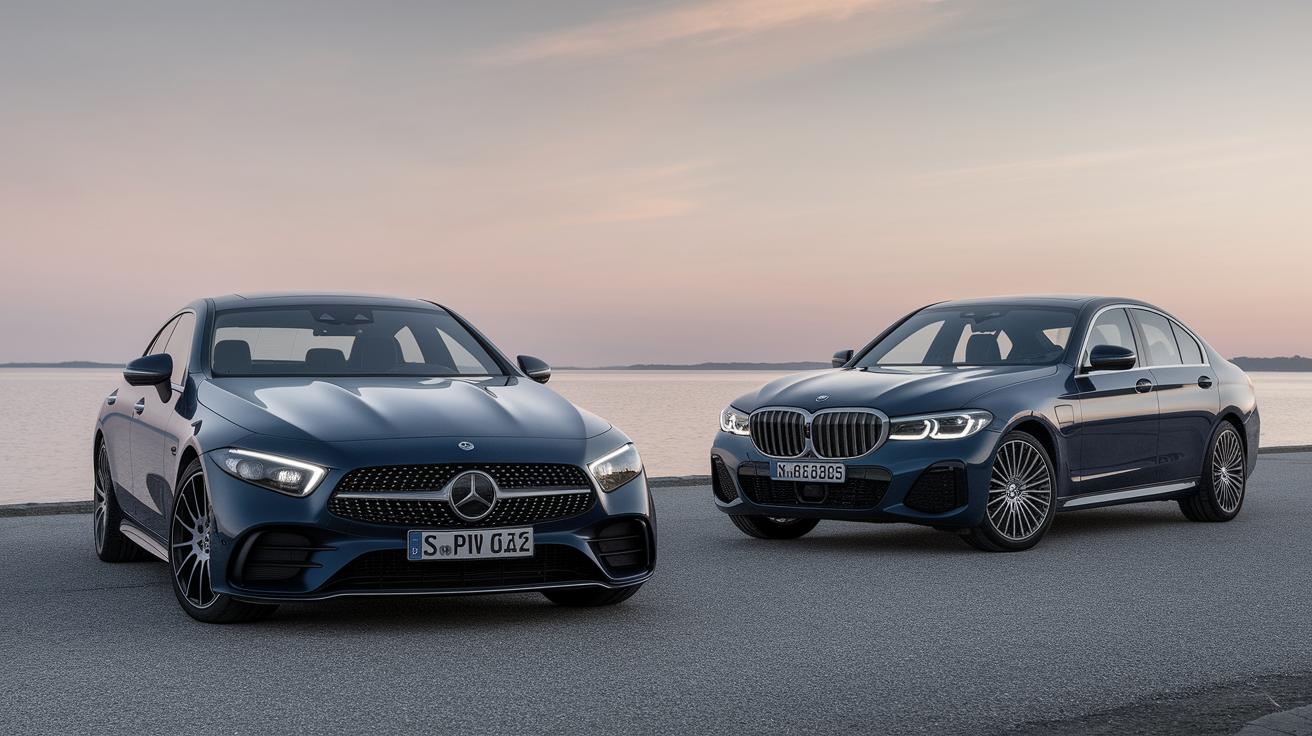
Is Mercedes More Reliable than BMW?
When it comes to luxury cars, Mercedes-Benz and BMW stand out as titans in the automotive industry, offering a unique blend of performance, design, and prestige. However, reliability is often a key factor for potential buyers when choosing between these two iconic brands. In this blog post, we will delve into various aspects of both Mercedes-Benz and BMW to determine which is more reliable. We will cover servicing costs, maintenance needs, and other related factors that play a significant role in car reliability. This exploration aims to provide a comprehensive understanding that will help current and prospective car owners make informed decisions.
Servicing Costs
Servicing costs are a crucial consideration for car owners looking to keep long-term ownership expenses manageable. Mercedes-Benz vehicles are generally considered more expensive to service due to their complexity and the premium parts required. However, they often have longer service intervals compared to BMWs. Owners might pay more per visit, but over the car’s lifespan, the frequency of visits can be less compared to BMW.
In contrast, BMW vehicles, known for their performance-focused technology, can accumulate high servicing costs, particularly if you choose service packages from dealers. Yet, these costs can vary widely depending on the model and the specific service or repair needs of the car. The ultimate cost comes down to whether the owner strictly adheres to dealership servicing or if they take advantage of independent service centers offering competitive rates. Ultimately, both brands carry the premium cost of maintaining luxury performance vehicles.
Which Brands Need More Maintenance
The maintenance needs of Mercedes-Benz and BMW can differ due to their engineering philosophies and design emphasis. Mercedes vehicles often emphasize comfort and smooth driving experiences, impacting their maintenance needs. Historically, Mercedes-Benz models have been engineered to last and might ostensibly require less frequent maintenance for critical components.
Conversely, BMWs are synonymous with the “Ultimate Driving Machine,” focusing heavily on dynamics and performance. This penchant for performance can mean more frequent maintenance to ensure the precise handling BMW owners expect. Specific components, like the suspension and engine parts, may need more regular attention to uphold the performance standards BMW vehicles are known for. Despite this, both brands concede to rigorous maintenance schedules that underscore their effort in delivering quality and reliability.
Related
When discussing the reliability of luxury vehicles like Mercedes and BMW, it’s crucial to categorize reliability into different aspects like mechanical longevity, technology endurance, and the robustness of ancillary components. Many industry reports such as J.D. Power’s Vehicle Dependability Study and Consumer Reports provide insights into these categories, often highlighting Mercedes for their technological reliability while favoring BMW for mechanical sturdiness.
Another related factor is how each brand handles its wear-and-tear items. While both brands offer extended warranties and comprehensive service packages, the costs and coverage can greatly influence perceived reliability. A well-crafted service package could be the difference between perceiving Mercedes or BMW as the more reliable brand over years of ownership.
Summary
In summary, the question of whether Mercedes is more reliable than BMW cannot be definitively answered in black and white; it requires examining several factors including servicing costs, maintenance, and warranty coverage. Both manufacturers offer a blend of features that cater to different aspects of reliability, be it mechanical, technological, or component durability.
Across various industry reports and user experiences, a nuanced picture emerges: Mercedes-Benz might be more associated with technological consistency and comfort, whereas BMW often wins accolades for mechanical dependability and performance prowess. Ultimately, the decision between Mercedes and BMW will depend on individual preferences and priorities.
Final Thoughts
| Aspect | Mercedes-Benz | BMW |
|---|---|---|
| Servicing Costs | Higher per visit but less frequent | Varied but potentially frequent |
| Maintenance Needs | Lower periodic requirements | Higher due to performance focus |
| Technological Reliability | Highly praised | Generally robust |
| Mechanical Durability | Solid but lesser focus than tech | Notable for strength |