The Evolution of the G-Wagon: Iconic Changes in Body Style
The Mercedes-Benz G-Class, affectionately known as the G-Wagon, is a benchmark in luxury SUVs. Renowned for its rugged design and exceptional performance, this iconic vehicle has undergone several transformative changes in body style since its introduction in 1979. In this blog post, we will explore the significant milestones in the evolution of the G-Wagon’s design. We will delve into the times when these changes occurred and their impacts on the automobile industry. Additionally, we will highlight consumer reactions and expert opinions on these redesigns. This exploration aims to offer a comprehensive overview of the G-Wagon’s transformation, helping enthusiasts and potential buyers understand how this vehicle has maintained its desirable status over more than four decades.
Trending
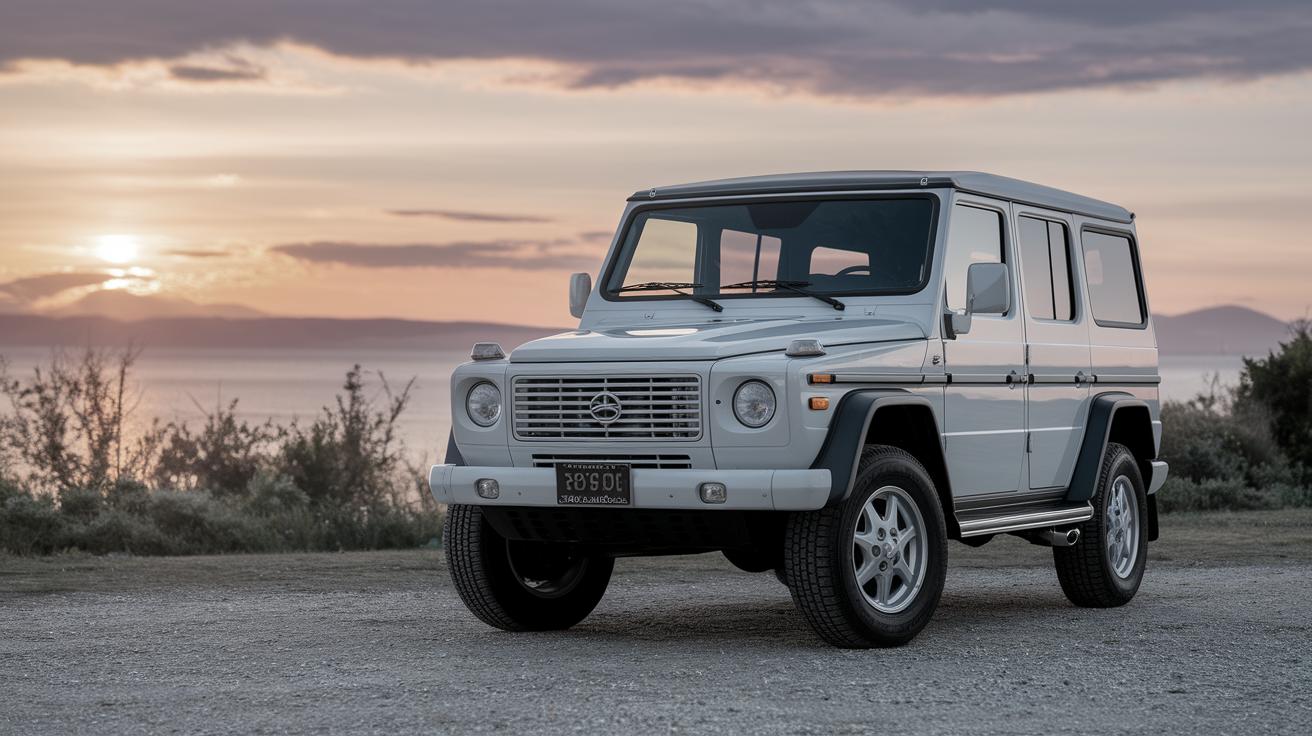
The G-Wagon’s design evolution has often mirrored the changing trends and consumer preferences in the automotive world. Originally conceived as a rugged, utilitarian vehicle, the G-Wagon has successfully transitioned into a luxurious symbol of status. The initial models of the G-Class, characterized by their boxy, military-inspired design, captivated a global audience. Over the years, subtle yet significant style alterations have seen the introduction of more aerodynamic contours, advanced materials, and cutting-edge technology that align with modern tastes and environmental considerations.
The 2018 redesign was a game-changer, marking a pivotal moment in the G-Wagon’s history. While keeping its classic boxy silhouette, Mercedes integrated innovative design elements such as smoother lines and a refined interior. The demand for high-end, luxurious SUVs led to features that prioritize comfort and connectivity, enhancing its allure to a broader audience. This redesign has been warmly received, further bolstering the G-Wagon’s reputation as a hybrid of robust functionality and opulent design.
You May Also Like
For those fascinated by the evolution of iconic automotive designs, there are several other vehicles that have undergone significant transformations akin to the G-Wagon. The Porsche 911, for instance, offers an interesting parallel. Like the G-Wagon, the 911 has kept its distinctive design ethos while embracing modern innovations. It serves as another testament to how heritage and cutting-edge technology can coexist to create enduring vehicular legacies.
Similarly, the Range Rover has traversed an intriguing path of evolution. From its emergence in the 1970s as a utilitarian vehicle, similar to the G-Class, it has transformed into an epitome of luxury and off-road capability. These parallels draw a fascinating line through automotive history, showing how traditional rugged vehicles have reinvented themselves to become staples in the luxury segment.
MotorTrend Recommended Stories
MotorTrend has frequently highlighted the G-Wagon for its iconic style and performance capabilities. In their reviews, the G-Wagon often garners praise for maintaining its off-road prowess while adapting to the demands of luxury vehicle enthusiasts. The stories about its evolution underscore the balance Mercedes-Benz strikes between heritage and progress, ensuring that each redesign meets the expectations set by its reputation.
Stories from MotorTrend exemplify the importance of innovation within tradition. The 2018 major redesign, for instance, has been lauded for successfully retaining the G-Wagon’s traditional character while adding modern utilities such as updated infotainment systems, enhanced safety features, and improved handling. These articles offer a thorough analysis of how the G-Wagon’s transformations have been received in automotive circles, providing insights into what makes these changes standout moments in design history.
Quick Links
Those who wish to delve deeper into the milestones of the G-Wagon’s history can explore various quick links to key resources. Mercedes-Benz’s official website offers a detailed look at each model year and its specific advancements. Additionally, car enthusiast forums and dedicated auto blogs analyze the nuances of G-Class transformations through articles, comparison guides, and expert reviews.
Quick links to trusted automotive news sites such as AutoCar, Car and Driver, and Edmunds also serve as valuable resources for understanding the broader market impact of the G-Wagon’s design changes. These platforms provide detailed reviews, images, and user ratings, illustrating the diverse opinions and performance assessments over the decades.
Your Rating
As the G-Wagon continues to evolve, consumer feedback plays a crucial role in shaping its future iterations. Enthusiasts and owners are encouraged to provide their ratings and reviews, reflecting on elements such as design, comfort, performance, and technology. Such feedback not only shapes the legacy of the G-Wagon but also helps potential buyers gauge its alignment with their preferences.
Online platforms and surveys allow drivers to rate their experiences, offering a comprehensive view of the G-Wagon’s strengths and areas for improvement. This crowd-sourced feedback showcases how the vehicle’s iconic style resonates with its audience, contributing to the ongoing narrative of its evolution and influence in the automotive industry.
Lessons Learned
| Year | Change | Impact |
|---|---|---|
| 1979 | Introduction of original boxy design | Marked the birth of the G-Class, establishing its rugged, utilitarian roots. |
| 1990 | Incorporation of luxury features | Began its transition from a military vehicle to a luxury status symbol. |
| 2018 | Major redesign with modern features | Balanced traditional styling with contemporary luxury and tech advancements. |