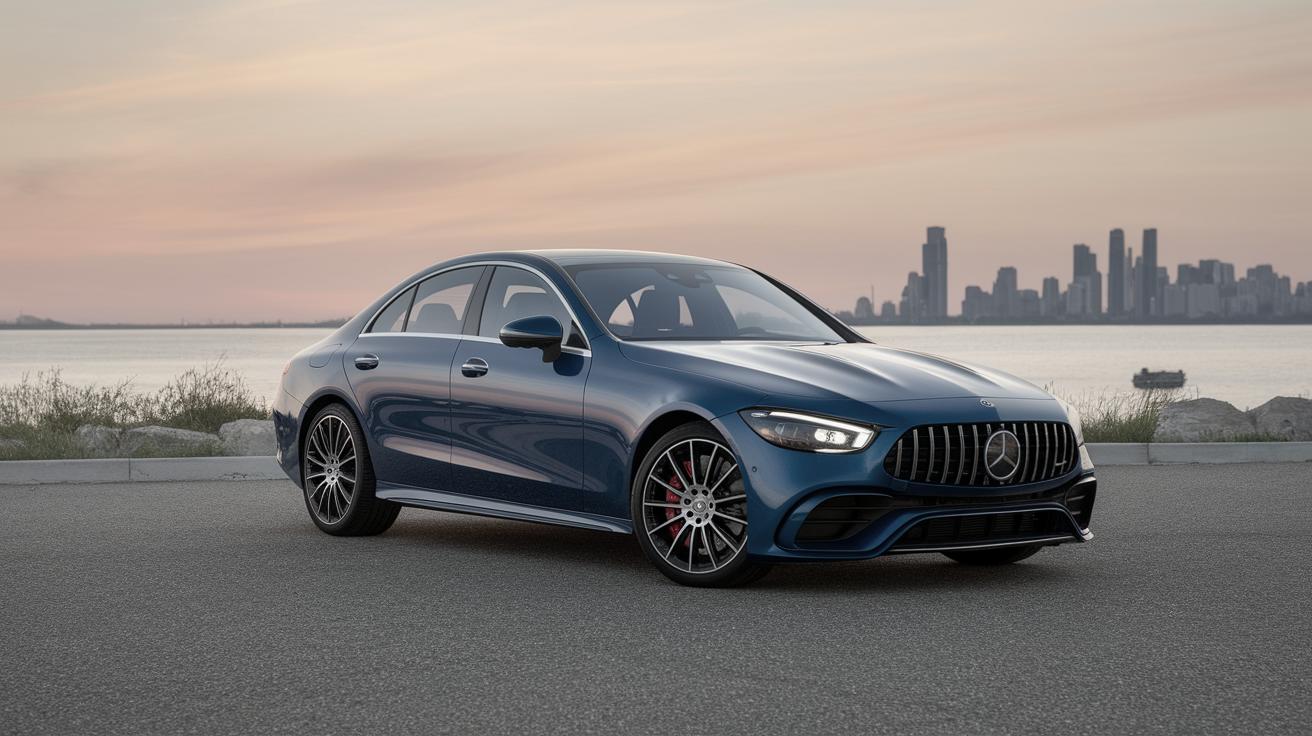
Understanding G-Tronic Transmissions
G-Tronic transmissions represent a hallmark of technological innovation within the automotive industry, famously utilized in various Mercedes-Benz vehicles. This blog post will delve into the core operating principles of the G-Tronic transmission system, discuss popular models and their unique features, and explore common malfunctions that users may encounter. We will also highlight the distinguished Mercedes-Benz 9G-TRONIC transmission, detailing how it functions and contributes to vehicle performance. By understanding these aspects, readers will gain valuable insights into the complex world of automatic transmissions and their future possibilities.
G-Tronic Operating Principle
At the heart of G-Tronic transmissions is an advanced automatic shifting mechanism that optimizes power delivery and fuel efficiency. Central to its operation is the hydraulic system that modulates fluid power, enabling smooth shifts between gears without manual intervention. This feature provides drivers with a seamless driving experience, balancing power output with fuel economy. The G-Tronic design incorporates a series of planetary gear sets, which are operated by a sophisticated network of sensors and actuators.
Additionally, the G-Tronic transmission employs a torque converter, which plays a critical role in transmitting power from the engine to the gears. The torque converter allows the engine to spin somewhat independently of the transmission, providing the necessary flexibility to switch gears effortlessly. This integration of mechanical and electronic control systems ensures that the G-Tronic transmission continuously adapts to changing driving conditions, offering an optimal driving performance under varied environments.
Popular G-Tronic Transmissions
Among the notable G-Tronic transmissions is the 7-speed 7G-TRONIC, initially introduced by Mercedes-Benz in the early 2000s. This model was revolutionary, being one of the first to feature seven gears, which enhanced driving dynamics and improved fuel efficiency. The 7G-TRONIC’s robust design has been praised for its reliability and ability to provide a smooth driving experience over various terrains.
Another popular model includes the 9G-TRONIC, which represents a significant leap forward in transmission technology. Equipped with nine forward gears, it offers improved acceleration and a wider gear ratio spread compared to its predecessors. The inclusion of a high-efficiency internal layout has contributed to reduced friction and energy losses, making the 9G-TRONIC a preferred choice for luxury and performance vehicles.
Common Malfunctions of G-Tronic Transmissions
Despite their engineering excellence, G-Tronic transmissions are not immune to malfunctions. Common issues include transmission slipping, where the vehicle unexpectedly changes gears or fails to maintain a steady connection between the engine and wheels. This can result from worn out components or low transmission fluid levels, both of which require timely attention to prevent further damage.
Another frequent problem is delayed or harsh shifting, which can stem from electronic faults or mechanical wear within the transmission’s intricate system. Regular maintenance and diagnostic checks are crucial for identifying potential problems early, thereby extending the lifespan and enhancing the performance of the G-Tronic transmission system.
What is the Mercedes-Benz 9G-TRONIC Transmission?
The Mercedes-Benz 9G-TRONIC transmission is a state-of-the-art automatic transmission system introduced to provide unmatched performance and efficiency. It is an evolution of the earlier 7G-TRONIC model, adding two more gears to enhance the driving experience. The 9G-TRONIC is particularly celebrated for its ability to deliver smooth gear transitions and improved fuel economy, qualities that are highly appreciated in premium automotive markets.
Aside from its additional gears, the 9G-TRONIC features an advanced torque converter and reduced friction components, which further optimize its operational efficiency. This transmission is compatible with a range of powertrains, aligning well with modern expectations of vehicle performance and environmental responsibility.
How Does the Mercedes-Benz 9G-TRONIC Transmission Work?
The working mechanism of the 9G-TRONIC transmission centers around its ability to intelligently manage gear shifts through a sophisticated electronic control unit. This unit seamlessly adjusts gear ratios to match driving conditions, ensuring the engine operates within its optimal range. The transmission achieves this by using haptic feedback and pre-calculation algorithms to anticipate necessary shifts.
Moreover, the internal layout of the 9G-TRONIC minimizes energy losses, utilizing lightweight materials to enhance fuel economy. An integrated start/stop system further contributes to efficiency by reducing idling times when the vehicle is stationary. These innovations make the 9G-TRONIC a benchmark for performance and sustainability in automotive transmission systems.
Future Prospects
| Aspect | Description |
|---|---|
| Operating Principle | Advanced automatic shifting with hydraulic and electronic controls ensuring smooth and efficient power delivery. |
| Popular Models | Includes the 7-speed 7G-TRONIC and the 9-speed 9G-TRONIC, renowned for their performance and reliability. |
| Common Malfunctions | Issues such as transmission slipping and delayed shifting, often requiring maintenance to resolve. |
| 9G-TRONIC Highlights | State-of-the-art system with nine gears offering unrivaled smoothness and efficiency. |
| 9G-TRONIC Mechanics | Uses electronic controls and lightweight materials for optimal performance and reduced fuel consumption. |