The Compact SUV Journey of Mercedes-Benz
Mercedes-Benz, a stalwart in the luxury automobile industry, first ventured into the compact SUV market with its characteristic blend of elegance, performance, and innovation. This article explores the origins of Mercedes-Benz’s compact SUV lineage, detailing the manufacturer’s strategic moves and milestones. We will delve into how Mercedes-Benz’s SUV offerings spurred the expansion of the Tuscaloosa plant, review related industry developments, and compare rival luxury models of the era. Finally, we will present a summarized view of Mercedes-Benz’s significant achievements in the SUV segment.
The Mercedes-Benz SUV range determined the expansion of the Tuscaloosa plant
Mercedes-Benz’s expansion into the SUV segment was marked by the strategic establishment and eventual expansion of its Tuscaloosa plant in Alabama, USA. The plant, which began operations in 1997, was a bold move aimed at tapping into the growing SUV market in North America. The decision to base the manufacturing of its SUV range, including the iconic M-Class (later known as the GLE), on US soil demonstrated Mercedes-Benz’s commitment to local production and consumer preferences.
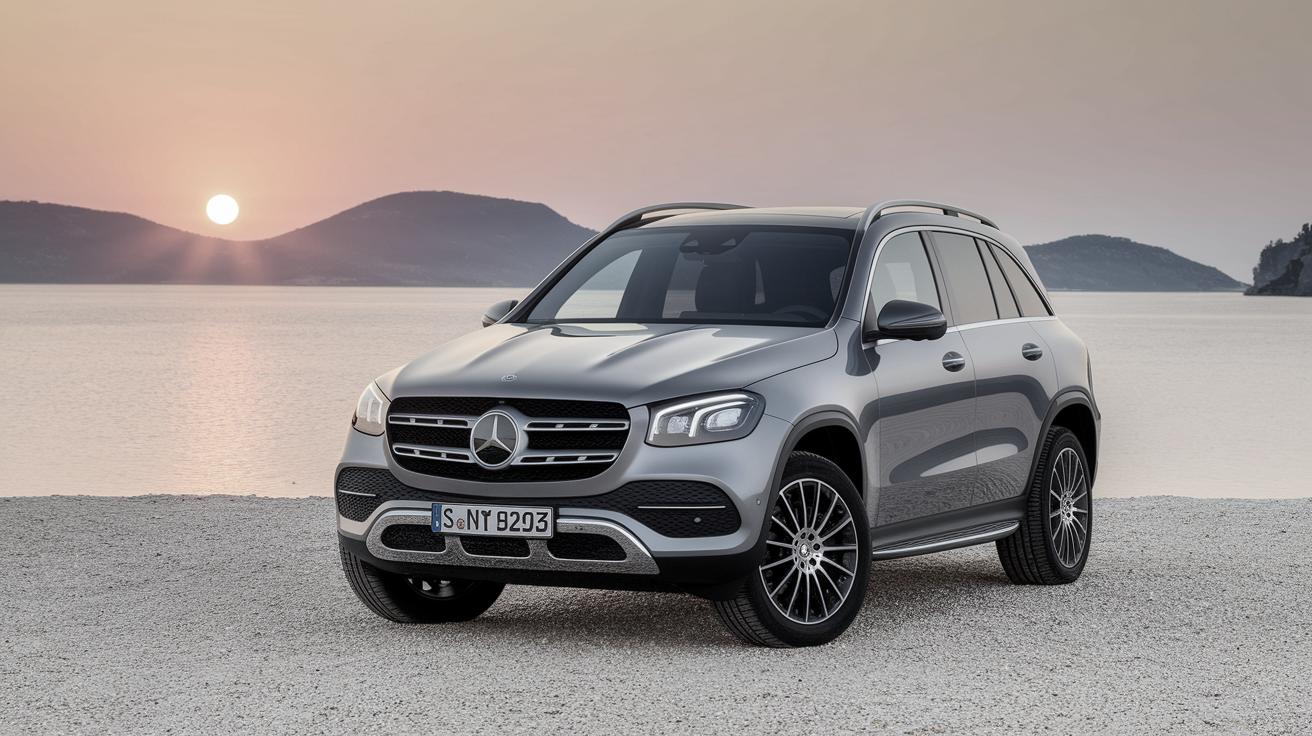
As the compact SUV segment gained popularity, Mercedes-Benz introduced models like the GLK-Class, paving the way for modern equivalents such as the GLC-Class. The production of compact SUVs necessitated an expansion of the Tuscaloosa facility. Continuously growing demand required additional investments in the plant to increase its capacity and adapt the production lines for the assembly of these highly sought-after models. This growth highlighted the plant’s pivotal role in Mercedes-Benz’s strategic direction, particularly in expanding its footprint in the crucial American automotive market.
The aggressive expansion mirrored the brand’s ambitious pursuit of dominance in the SUV landscape, asserting its ethos of luxury intertwined with practicality. The Tuscaloosa plant became a symbol of this journey, significantly contributing to the global distribution of these high-demand vehicles. This production hub was not only integral to the regional market objectives but also exemplified Mercedes-Benz’s broader commitment to global manufacturing excellence.
Related
Within the context of the 2020 automotive landscape, Mercedes-Benz reinforced its leadership by remaining the top luxury car brand globally. This feat was a testament to the brand’s diverse portfolio, innovation, and consistent quality. Mercedes-Benz’s strategic foray into the compact SUV sector was a contributing factor to this success, as the segment continued to surge worldwide, appealing to both urban consumers and those with a penchant for luxury combined with practicality.
The compact SUV market itself experienced significant growth in 2020, driven by consumer demand for versatile, stylish vehicles that offer premium features without compromising on size. Mercedes-Benz capitalized on this trend, expanding its lineup to include models that catered to a wide array of preferences and needs, thus maintaining its competitive edge. The brand consistently surpassed expectations with its technological advancements and luxurious offerings, which catered to discerning buyers seeking both performance and prestige.
The continued production and evolution of Mercedes-Benz’s compact SUVs demonstrated the brand’s adaptation to consumer trends and market dynamics, solidifying its status within the luxury segment. Mercedes-Benz’s response to consumer preferences further underscored its agility in an ever-evolving market, setting benchmarks for competitors and solidifying its prominence in the luxury SUV space.
Mercedes-Benz 2020 sales: The Stuttgart based carmaker remains the number one luxury brand in the world
Mercedes-Benz’s enduring commitment to excellence in automotive engineering has seen it retain its position as the leading luxury car brand worldwide. Despite the challenges of 2020, including the COVID-19 pandemic’s global impact on industries, Mercedes-Benz showcased resilience and innovation in its sales strategy. The enduring appeal of its compact SUV models played a notable role in its market performance, highlighting the importance of this segment in the brand’s portfolio.
The brand’s success in 2020 was also driven by its adaptability and readiness to embrace new opportunities in digital retail and customer engagement. With a focus on enhancing the customer experience, Mercedes-Benz leveraged digital platforms to reach more potential buyers, ensuring the continued prominence of its models in the luxury segment. This approach not only reinforced its status as a luxury leader but also fostered stronger connections with a tech-savvy customer base.
Mercedes-Benz’s ability to maintain its top position amidst a challenging global landscape speaks volumes about its strategic foresight and commitment to quality. The compact SUV range, particularly the models produced at the Tuscaloosa plant, underscores Mercedes-Benz’s capacity to cater to diverse markets while maintaining a unified standard of luxury and innovation that appeals to its global clientele.
Classic challenge: Mercedes SL R230 vs Porsche 911 (996)
The luxury vehicle market has always been rife with competition, and the classic challenge epitomized by the rivalry between the Mercedes SL R230 and the Porsche 911 (996) highlights the dynamic interplay between performance and prestige. Both models, cherished by enthusiasts and collectors, represent their brands’ engineering prowess and dedication to luxury.
The Mercedes SL R230, with its cutting-edge technology and elegant design, was a testament to Mercedes-Benz’s commitment to luxury and innovation. Meanwhile, the Porsche 911 (996) exemplified the brand’s legacy of performance-oriented excellence. This rivalry extends into the SUV market, where consumers often weigh similar considerations of performance, design, and brand prestige when choosing between Mercedes-Benz’s compact SUVs and those of other luxury competitors like Porsche.
These challenges are crucial for pushing automotive boundaries, prompting manufacturers to innovate and refine their offerings continually. As with the SL R230 versus the 911 (996), the competition Mercedes-Benz faces in the compact SUV segment inspires it to uphold its legacy of luxury, ensuring that its vehicles remain top contenders in the eyes of discerning consumers worldwide.
Final Thoughts
| Aspect | Details |
|---|---|
| Foundation of Tuscaloosa Plant | Established in 1997, pivotal for SUV production |
| Compact SUV Evolution | Expansion from GLK-Class to GLC-Class, significant in market growth |
| Mercedes-Benz 2020 Sales | Maintained top luxury brand status, importance of compact SUVs |
| Competition and Innovation | Inspired by classic challenges, continual advancement in luxury and performance |