The EQE Lithium-Ion Battery: Understanding Its Cell Module Configuration
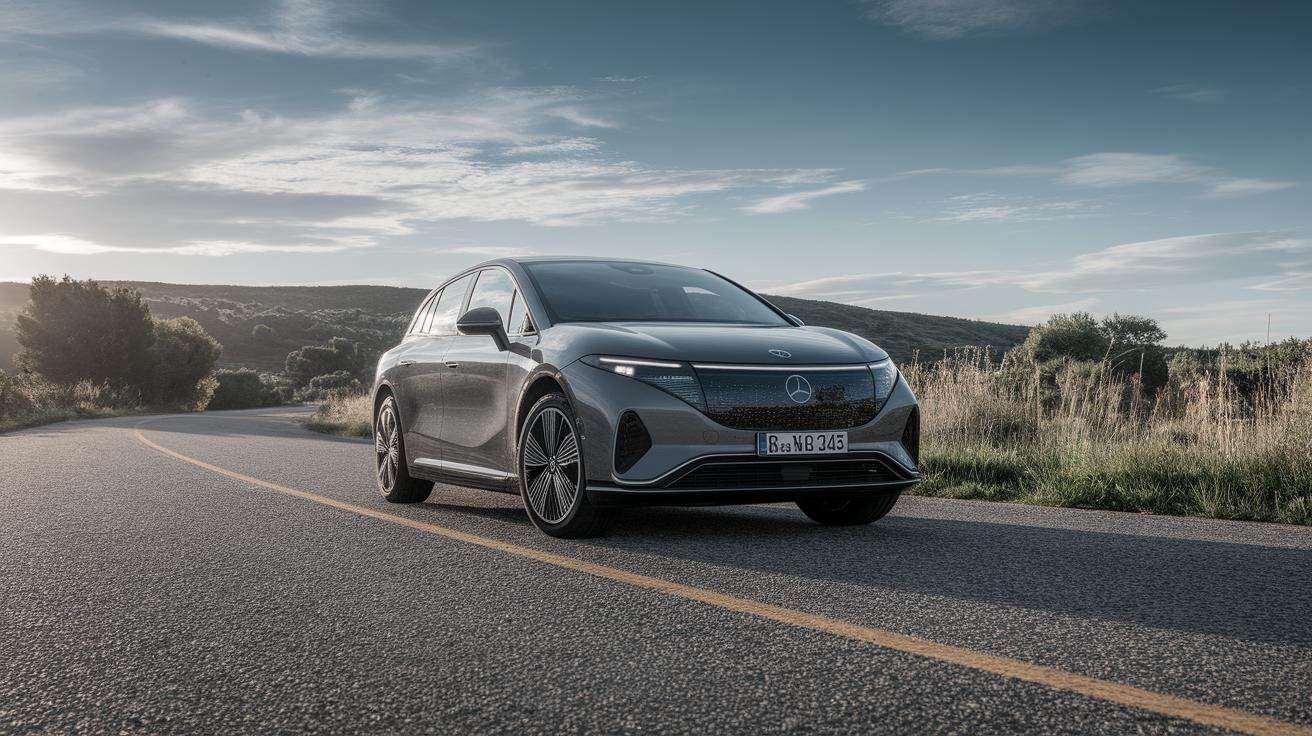
The EQE, an innovative electric vehicle (EV) developed by Mercedes-Benz, stands as a testament to the brand’s commitment to environmentally friendly technology. Central to its performance is the advanced lithium-ion battery, whose cell structure and module configuration significantly influence the vehicle’s efficiency, range, and longevity. This blog post examines the intricate design of the EQE’s battery, analyzing how it contributes to the vehicle’s overall engineering. We’ll explore Mercedes-Benz’s strategic approach to in-house battery development, the challenges posed by diverse platforms and battery standardization, and the transition toward engines free from rare earth materials. The article will also delve into the advantages of manufacturing as many components in-house as possible, along with future prospects for electric vehicle technology. By exploring these themes, readers will gain a comprehensive understanding of the EQE’s battery architecture and the evolving landscape of EV manufacturing.
Extension of in-house EV expertise focusing on battery cells
Mercedes-Benz has made a strategic shift in its approach to electric vehicle manufacturing by extending its in-house expertise to focus heavily on battery cell development. This decision stems from the recognition that the battery is the heart of an EV, dictating its performance, range, and lifespan. The EQE’s lithium-ion battery is a product of this focused expertise, showcasing cutting-edge technology that is both efficient and reliable.
By investing in the development and production of its own battery cells, Mercedes-Benz gains greater control over the quality and consistency of its power sources. This move aligns with the industry trend of vertical integration, where automakers aim to streamline their supply chains and enhance product innovation through direct oversight of component manufacturing. The EQE’s battery system, therefore, serves as a critical component in Mercedes-Benz’s quest for technological excellence and sustainability in its EV offerings.
1. Too few and too expensive electric models
One of the challenges facing the widespread adoption of electric vehicles, including the EQE, is the limited availability and high cost of electric models on the market. While advances in battery technology promise to lower production costs and retail prices, many consumers still find electric vehicles to be prohibitively expensive compared to their internal combustion engine counterparts. This economic barrier can hinder the transition toward more sustainable personal transportation.
Mercedes-Benz, aware of this issue, has made strides in producing more affordable electric models without sacrificing quality. The brand’s commitment to expanding its EV portfolio, including the EQE, demonstrates a concerted effort to offer consumers a broader range of price points. As battery technology continues to evolve, we can expect further cost reductions, making electric vehicles more accessible to a wider audience.
2. Too many platforms, lack of standardized batteries
The proliferation of diverse platform architectures for electric vehicles creates significant challenges for battery standardization, which can pose issues in manufacturing efficiency and repairability. The EQE is part of Mercedes-Benz’s approach to develop modular platforms that accommodate various models while maintaining a consistent battery configuration.
This strategy addresses the inefficiencies and potential setbacks caused by maintaining disparate battery systems across models. By adopting a unified battery module structure, Mercedes-Benz not only reduces manufacturing complexity but also ensures easier maintenance and upgrades for the EQE. This move is crucial in future-proofing their electric vehicles and enhancing their adaptability to new technological advancements.
3. Rare earth-free engines, simpler gearboxes
A significant advantage of the EQE’s design is its incorporation of rare earth-free engines, which reflects a larger trend towards simplifying the drivetrain components of electric vehicles. By eliminating the dependency on rare earth materials, Mercedes-Benz not only reduces production costs and environmental impact but also mitigates supply chain risks associated with these finite resources.
Furthermore, the simplification of gearboxes in the EQE marks an evolutionary step in EV design, where fewer mechanical components lead to reduced maintenance needs and improved reliability. This approach underscores the potential for electric vehicles to be both more sustainable and user-friendly, aligning with consumer demands for high-performance and environmentally conscious products.
4. As many components in-house as possible
Mercedes-Benz’s commitment to producing as many components in-house as possible highlights the brand’s strategic emphasis on quality control and innovation. For the EQE, this translates into a more integrated manufacturing process where key components, especially the lithium-ion battery cells, are produced under stringent oversight, ensuring the highest standards of performance and safety.
Producing parts in-house allows Mercedes-Benz to tailor its component specifications precisely to the needs of its electric vehicles. This approach not only supports a seamless integration of technology but also accelerates the pace of innovation, as engineers have direct access to the manufacturing processes. For the EQE, this results in a coherent and highly optimized design that leverages the full potential of its cutting-edge battery technology.
Related
In addition to the EQE’s innovative battery design, Mercedes-Benz continues to expand its influence in the EV market with a range of developments across its model lineup. Continuous improvements in battery technology and vehicle design will be critical as the automotive industry moves increasingly towards electric mobility.
Exploring related advancements in the field, such as charging infrastructure improvements and global policy shifts towards greener transportation, can provide additional context for understanding the EQE’s place in the market. Such developments are pivotal in shaping consumer perception and adoption of electric vehicles.
Electric Mercedes E-Class Will Arrive in 2027
The anticipated release of an electric Mercedes E-Class in 2027 exemplifies the brand’s long-term vision for expanding its electric vehicle portfolio. This future model is expected to build on the technological foundations laid by the EQE, incorporating next-generation battery technology and enhanced driving features.
By 2027, the automotive landscape will likely see greater infrastructure support for electric vehicles, making models like the electric E-Class more appealing to a global market. This development highlights Mercedes-Benz’s proactive approach in preparing for an electric-centric future, promising vehicles that are not only environmentally friendly but also aligned with consumer expectations for luxury and technology.
Sell Your Car Fast with USJunkCars – Hassle-Free Junk Car Removal Service
If you’re considering making the switch to an electric vehicle like the EQE, you might be looking to sell your current car. USJunkCars offers a straightforward, hassle-free junk car removal service that ensures a smooth transition. Their reliable service makes it easy to sell your car fast, giving you the opportunity to invest in a new, sustainable mode of transport.
By facilitating the process of selling your older vehicles, services like USJunkCars help reduce the environmental impact of abandoned cars while also encouraging the adoption of more efficient and eco-conscious alternatives. This aligns with broader efforts to promote sustainability across the automotive industry, supporting the transition towards a greener future.
Future Prospects
| Topic | Details |
|---|---|
| EV Expertise | Focused on in-house battery cell development for improved control and quality. |
| Electric Models | Efforts to produce cost-effective electric models, aiming for wider market accessibility. |
| Standardization Challenges | Introduction of modular platforms for consistent battery configurations. |
| Engine and Gearbox Design | Rare earth-free engines and simplified gearboxes enhancing sustainability. |
| In-house Production | Commitment to producing key components in-house for innovation and quality. |
| Related Developments | Ongoing advancements in EV technology and infrastructure improvements. |
| Upcoming Models | Anticipated launch of the electric Mercedes E-Class in 2027. |