Is a Benz a Foreign Car?
When discussing luxury automobiles, few brands are as instantly recognizable as Mercedes-Benz. This esteemed manufacturer, often simply referred to as “Benz,” epitomizes German engineering excellence, encapsulating both performance and luxury. This blog post will unravel the quintessential elements that define Mercedes-Benz as a foreign car, delving into its position within the global automotive hierarchy. Additionally, we’ll explore the intricate relationships between luxury brand parent corporations and their subsidiary brands, providing a comprehensive understanding of the automotive industry’s complex landscape. As we navigate through this discussion, we’ll address frequently asked questions regarding the foreign status of a Benz and showcase related insights from the automotive world, particularly from Bell Auto. This exploration promises to enlighten enthusiasts and potential buyers about the wider context of luxury brand ownership and the distinctiveness of foreign vehicles like Mercedes-Benz.
Frequently Asked Questions
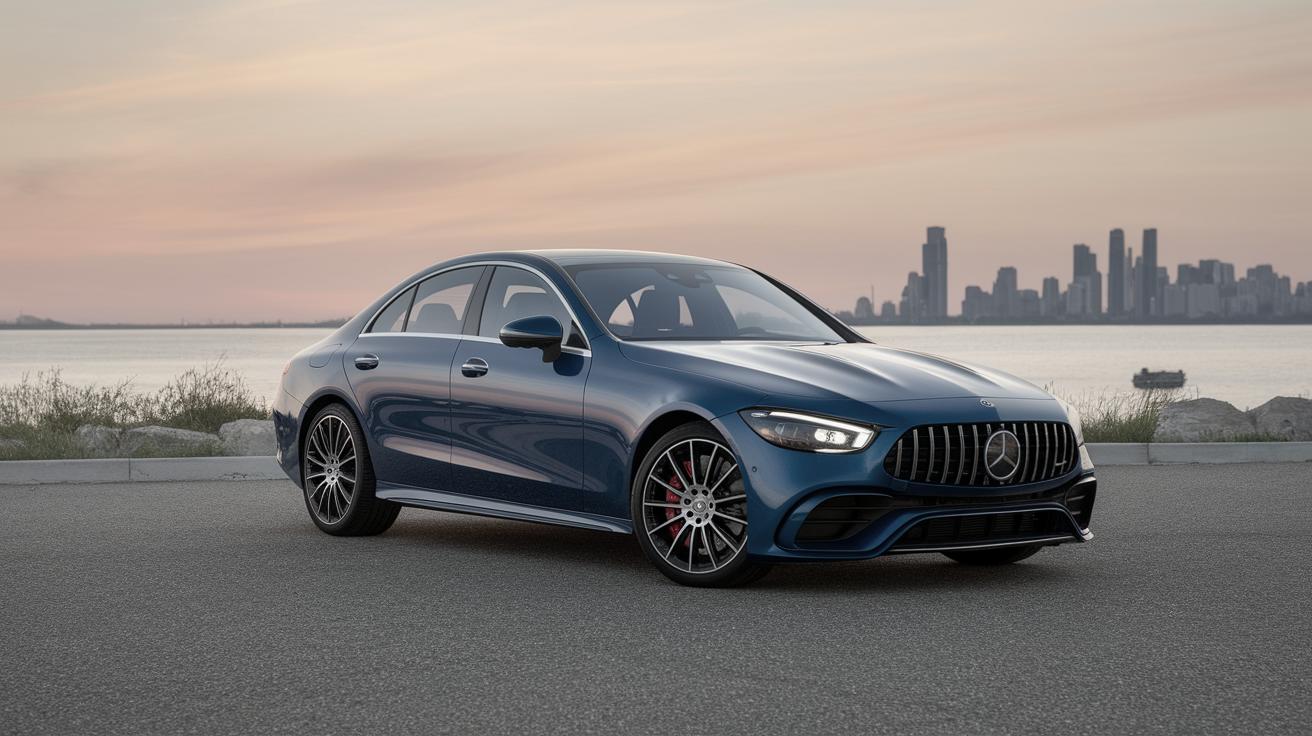
One of the most common questions asked by car enthusiasts and potential buyers is whether Mercedes-Benz is considered a foreign car. The answer is a resounding yes. As a product of Germany’s prestigious automotive engineering sector, Mercedes-Benz designs and manufactures its vehicles primarily in Germany, making it a quintessential foreign car brand when viewed from the perspective of countries outside of Europe, particularly in North America.
Another frequent inquiry is about the distinct qualities that set German cars apart from others. German vehicles, like Mercedes-Benz, are renowned for their emphasis on quality, durability, and advanced technology. Their engineering precision and luxurious detailing have set benchmarks in the automotive industry, distinguishing them from other global players. Whether considering their performance on the road or their luxurious features, Mercedes-Benz vehicles exemplify the craftsmanship that foreign automotive brands bring to the global market.
Luxury Brand Parent Corporations and Automotive Groups
Acura
Acura stands as the luxury vehicle division of the Japanese automaker Honda. Established in the mid-1980s, Acura was among the first Japanese automotive luxury brands, aiming to deliver high-performance vehicles with a particular focus on luxury and precision-crafted interiors. Over the years, Acura has expanded its offerings, integrating advanced technology and innovative design into a cohesive brand identity that appeals to luxury car enthusiasts worldwide.
Although Acura is often associated with its parent company Honda, it has carved out a strong independent identity through its sophisticated design philosophy and dedication to performance. Its vehicles are typically characterized by their striking aesthetic, efficient drivetrains, and cutting-edge features, aligning them with the broader ambitions of Honda while also setting distinct benchmarks within the luxury vehicle market.
Alfa Romeo, Chrysler, Fiat, and Maserati
These brands are part of the Italian-American corporation known as Stellantis. Alfa Romeo and Maserati are Italian brands celebrated for their performance and design prowess, while Chrysler aligns more with American automotive tradition, emphasizing comfort and practicality. Fiat, a stalwart of Italian manufacturing, is recognized for its compact and economical vehicles, offering a European flair to the global market.
Alfa Romeo and Maserati focus extensively on sporty designs and high performance, crafting an exclusive appeal within the automotive domain. Despite their varied origins and brand identities, all these marques operate under the Stellantis umbrella, benefitting from shared technologies and global market strategies while maintaining their unique heritage and design philosophies.
Audi, Bentley, Lamborghini, and Porsche
These iconic brands fall under the aegis of the Volkswagen Group. Audi is known for its engineering excellence and advanced technologies in automotive manufacturing, while Bentley and Lamborghini epitomize ultimate luxury and performance. Porsche, with its legendary sports cars, represents the pinnacle of precision engineering and automotive desirability.
Volkswagen Group, as their parent corporation, facilitates synergies across these brands, enhancing their capabilities through shared research and development, which not only advances technological innovation but also strengthens their positions in luxury automotive markets worldwide. These brands, each with a distinct identity, form a cohesive part of a larger strategy aimed at maintaining leadership in the premium and sports car sectors.
BMW, Mini, and Rolls-Royce
The Bavarian Motor Works, known globally as BMW, owns these prestigious brands. BMW is synonymous with performance luxury vehicles, harmonizing driving pleasure with cutting-edge technology. Mini brings a unique British charm, focused on compact, stylish, and nimble cars. Rolls-Royce, at the pinnacle of luxury, offers unparalleled craftsmanship and opulence.
BMW’s stewardship of Mini and Rolls-Royce highlights its commitment to preserving and enhancing the distinct characteristics of each brand. Whether through the quintessentially British aesthetic of Minis or the ultra-luxury ethos of Rolls-Royce, BMW ensures that each marque flourishes in its respective market segment while benefiting from shared technological advancements and innovations.
Buick and Cadillac
Buick and Cadillac are stalwarts of American luxury, operating under the General Motors umbrella. Buick targets a broad audience, blending traditional style with modern design elements to appeal to younger buyers seeking comfort without sacrificing style. Cadillac, meanwhile, is focused on redefining American luxury with a modern, bold approach that incorporates high-performance elements and innovative technology.
Both brands reflect General Motors’ commitment to offering a diverse range of luxury vehicles that cater to different market segments. By combining classic American automotive values with contemporary design and performance, Buick and Cadillac continue to attract loyal customer bases, both domestically and internationally.
Genesis
Genesis, the luxury arm of Hyundai, has quickly gained recognition for its innovative designs and commitment to delivering a high-end experience. Since its inception, Genesis has sought to redefine the luxury landscape by offering vehicles that merge technology, performance, and luxury in an elegant package.
As part of the Hyundai Motor Group, Genesis benefits from the parent company’s extensive resources and expertise. This strategic relationship allows Genesis to push boundaries, incorporating cutting-edge technology and distinctive design into vehicles that compete fiercely with more established luxury brands globally.
Infiniti
Infiniti is Nissan’s luxury vehicle division, known for its forward-thinking design and performance-driven approach. Infiniti has consistently worked towards creating a sophisticated brand identity that caters to discerning customers who value innovation and uniqueness in their vehicles.
Nissan’s global footprint affords Infiniti the opportunity to incorporate advanced engineering and state-of-the-art technology into its line-up. This relationship ensures that Infiniti vehicles are not only competitive but also representative of luxury and performance excellence, making them a viable choice for consumers looking for a blend of style, efficiency, and cutting-edge features.
Jaguar and Land Rover
Owned by the Indian multinational Tata Motors, Jaguar and Land Rover operate as quintessentially British brands. Jaguar is celebrated for its sporty sedans and dynamic sports cars, while Land Rover is synonymous with luxurious and rugged SUVs, known for their off-road capabilities.
Their existence under the Tata Motors umbrella signifies a blend of tradition and innovation, where British automotive heritage intersects with global technological advancements. The continued investment by Tata Motors in both Jaguar and Land Rover supports these brands in retaining their distinctive British charm while remaining relevant in competitive international markets.
Lexus
Lexus, the luxury vehicle division of Toyota, exemplifies Japanese craftsmanship and innovation. Renowned for its reliability, Lexus integrates opulent design with cutting-edge technology to create vehicles that are both luxurious and practical.
The reputation of Toyota as a global leader in automotive manufacturing enhances Lexus’s position in the luxury market. By consistently delivering high-quality vehicles that emphasize technology, comfort, and performance, Lexus has successfully crafted a loyal customer base, serving as a testament to Toyota’s commitment to excellence in the luxury automotive arena.
Lincoln
The Lincoln brand stands as Ford’s prestigious luxury division, emphasizing American opulence combined with comfort and innovation. Lincoln has embarked on redefining luxury by merging contemporary design elements with advanced technology, attracting a new generation of automobile enthusiasts.
Ford’s extensive infrastructure and innovative technologies empower Lincoln to continuously enhance its luxury offerings, making significant strides in redefining what it means to drive an American luxury car. Lincoln’s emphasis on designing elegant vehicles with a blend of sophistication and technological capabilities positions it as a strong competitor within the luxury market.
Mercedes-Benz
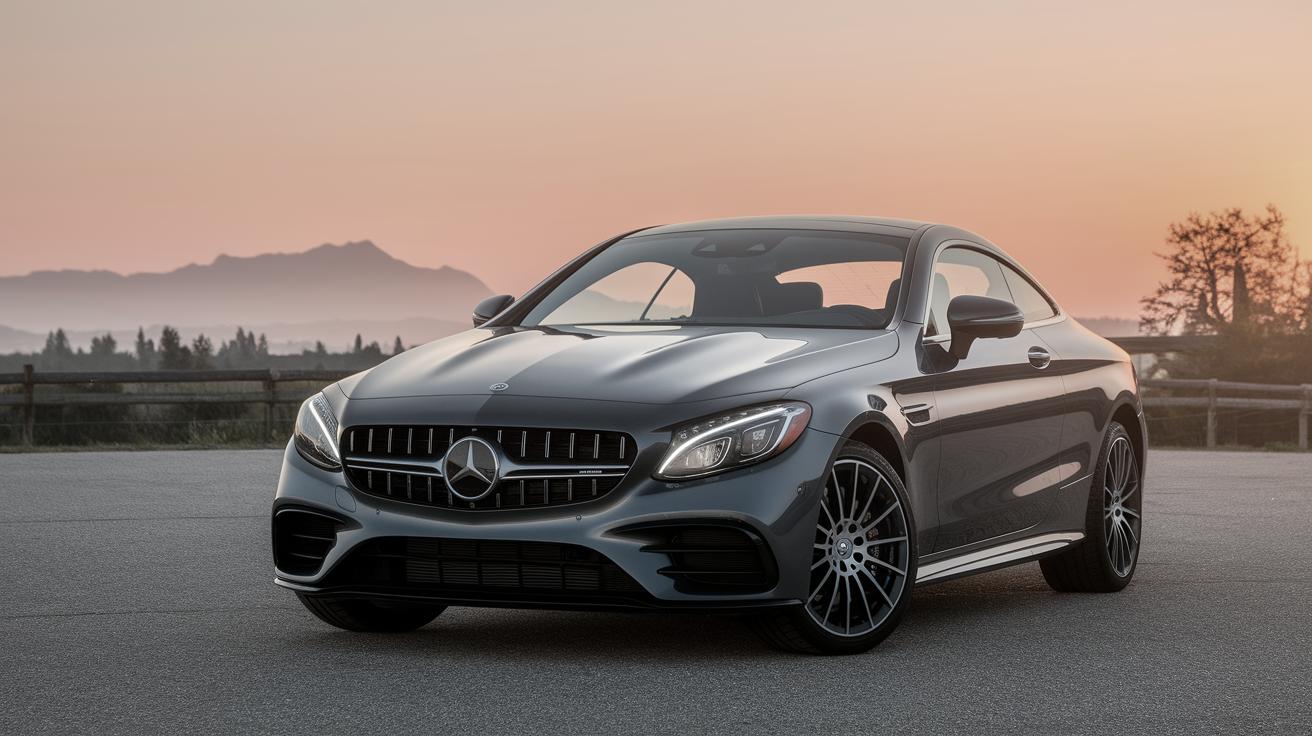
Mercedes-Benz is a beacon of German automotive excellence. Famed for its luxury vehicles, it operates under the parent company, Daimler AG. Mercedes-Benz vehicles are the epitome of the balance between high performance, advanced technology, and luxury, setting standards for other brands to emulate.
The brand’s engineering heritage is reflected in every vehicle, showcasing meticulous design, progressive innovations, and superior craftsmanship. Questoions its status as a foreign car is unequivocal given its deep roots in German engineering and the global appeal that continues to be a defining force in the luxury car market.
Volvo
Volvo, rooted in Swedish heritage, is known for its emphasis on safety, innovation, and minimalistic Scandinavian design. Owned by the Chinese automotive company Geely, Volvo continues to lead with a commitment to sustainability and safety, integrating these principles into every vehicle.
Despite its ownership by Geely, Volvo retains its unique Swedish character and dedication to quality. Geely’s investment has allowed Volvo to expand its technological capabilities and global reach, ensuring that the brand remains a respected name associated with first-class safety and sophisticated design.
More from Bell Auto
Bell Auto continues to be a prominent source for automotive insights, offering a plethora of information for car enthusiasts and potential buyers. Its expertise doesn’t stop at reviews and automotive news; Bell Auto frequently updates users with in-depth articles analyzing industry trends, brand strategies, and technological advancements occurring across the automotive sector.
For those eager to explore more about foreign car brands or seeking advice on purchasing luxury vehicles, Bell Auto provides a rich repository of knowledge. Through expert recommendations and carefully curated content, they help consumers make informed decisions tailored to their preferences and needs in the ever-evolving automotive landscape.
Next Steps
| Brand | Parent Corporation | Country of Origin |
|---|---|---|
| Mercedes-Benz | Daimler AG | Germany |
| Jaguar | Tata Motors | United Kingdom |
| Lexus | Toyota | Japan |
| Volvo | Geely | Sweden |
| Audi | Volkswagen Group | Germany |
This HTML blog post explores whether Benz is a foreign car, delving into the intricacies of luxury brand ownership and their cultural origins while providing in-depth perspectives on various global automotive brands.