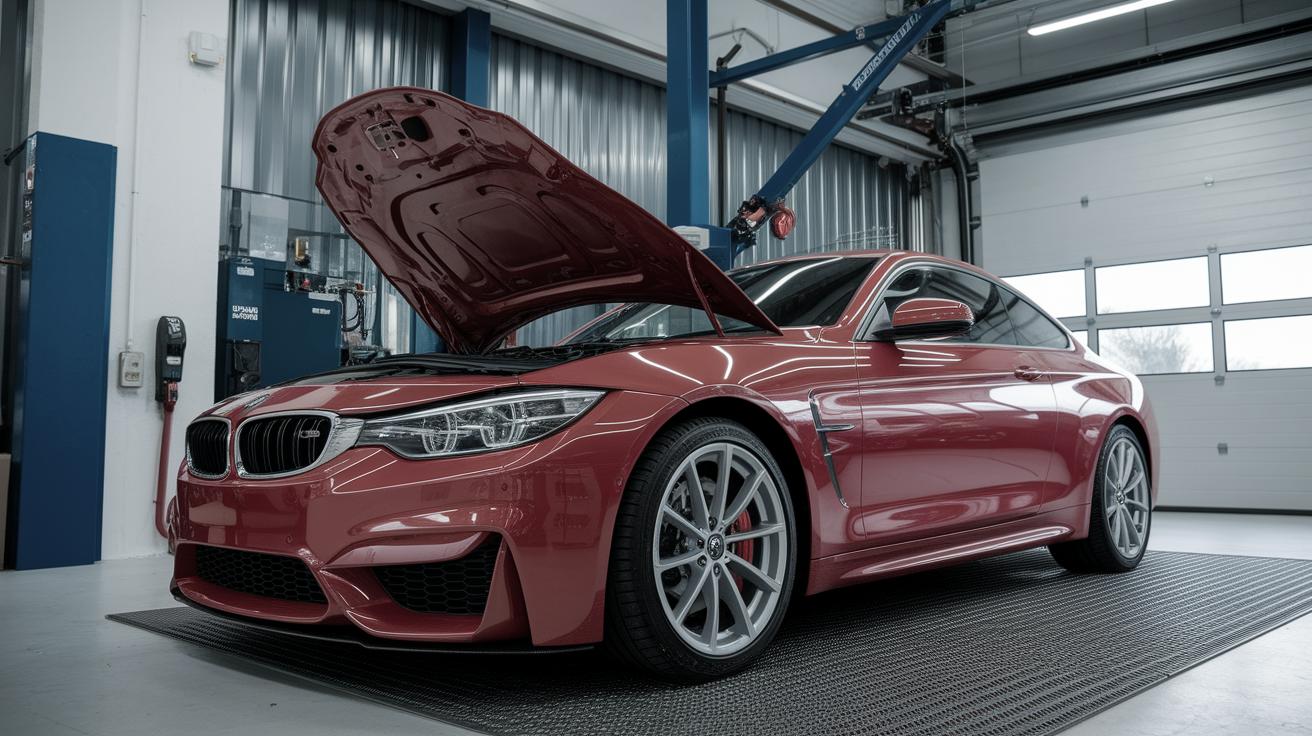
How to Ceramic Coat a Vehicle
Ceramic coating your vehicle is a significant step towards maintaining its aesthetic and ensuring long-lasting protection. This process involves applying a liquid polymer to the exterior of the car, bonding with the paint to create a protective barrier. This article will walk you through the essential steps to ceramic coating your vehicle, focusing on the crucial preparation phase. Proper prepping enhances the durability and performance of the ceramic coat. We’ll delve into washing, claying, polishing, and wiping the car’s surface while addressing frequently asked questions about the process. If followed diligently, these steps will pave the way for a successful ceramic coating application, significantly enhancing your vehicle’s appearance and protection.
Step 1: Wash Your Car
The first step in prepping your vehicle for a ceramic coating is thoroughly washing it. This is more than a quick rinse; it requires removing all surface dirt, grime, and road contaminants. Begin by using a high-quality car shampoo, preferably one that does not contain wax, which can interfere with later steps. Use a soft sponge or microfiber cloth to work the shampoo into a lather, covering every inch of your car.
Rinsing is just as important as washing; ensure that all soap remnants are removed, as residues can form barriers against the coating. A pressure washer is highly recommended for its effectiveness in removing stubborn particles. Don’t forget to clean the wheels and undercarriage, areas often overlooked but equally susceptible to dirt and debris accumulation.
Step 2: Clay Bar Your Car
Once the car is clean, use a clay bar to remove embedded contaminants that ordinary washing cannot dislodge. This step is crucial for achieving a smooth surface. First, knead the clay bar to soften it and apply a clay lubricant to a small section of your car’s surface. Gently glide the clay bar over this section in a back-and-forth motion.
Work in small areas to maintain control and ensure effectiveness. If the clay becomes dirty, fold it to expose a clean section before continuing. Claying will remove surface impurities such as industrial fallout and brake dust that may hinder the ceramic coating from adhering correctly.
Step 3: Polish Your Car
After claying, the next step is to polish the vehicle to remove minor scratches, swirls, and imperfections in the paint. Use an appropriate polish and an orbital buffer for an even and professional finish. This step will enhance the clarity and gloss of your car’s paint, providing an optimal surface for the ceramic coating to bond.
Remember to use a clean polishing pad and work in small sections to ensure consistency. If you notice any residue from the polish, wipe it away with a microfiber cloth. The goal here is to achieve a near-perfect paint surface, which is critical for the long-term effectiveness of the ceramic coating.
Step 4: Wipe the Car Surface
The final prep step is wiping down the entire car surface with an isopropyl alcohol (IPA) solution to remove any remaining oils or residues from previous steps. This wipe-down ensures that the ceramic coating makes a strong bond with the paint surface, free of obstruction from any contaminants.
Dilute your IPA solution with water if necessary, and use a clean microfiber cloth to apply it in a gentle, circular motion. Ensure you cover all areas, including tight spaces and crevices. Once complete, your car should be spotless, with a pristine surface ready for the ceramic coating application.
Frequent Questions About Prepping for Ceramic Coating
Should I prepare my car for a ceramic coating indoors or outdoors?
It is highly recommended to prepare your car indoors or in a shaded area to avoid direct sunlight, which can cause products to dry prematurely, affecting their efficacy. An enclosed space also protects against dust and debris settling on your car’s surface during preparation.
What is a ceramic coating, and why is preparation important?
Ceramic coatings are liquid polymers applied to a car’s exterior that chemically bond to the paint, providing a protective layer. Preparation is crucial as it influences the bond strength. Surface contaminants or imperfections can impede the coating’s performance, leading to subpar protection and appearance.
What if I skip this preparation process?
Skipping preparation can lead to a host of issues, such as poor adhesion, uneven coating, and diminished protective qualities. Consequently, the coating might peel off prematurely, or contaminants could become sealed under the ceramic layer, leading to unsightly blemishes.
Is it okay to use household cleaners for prepping my car for a ceramic coating?
It is not advisable to use household cleaners as they can contain harsh chemicals that strip away essential paint oils, leading to damage. Instead, always use products specifically designed for cars, ensuring they’re free of wax or any ingredients that could interfere with the coating process.
How do I know when my car is ready for ceramic coating?
Your car is ready for ceramic coating when its surface is smooth, free of contaminants, and exhibits a high gloss finish. Run your fingers lightly across various sections; it should feel sleek and look impeccable, indicating a well-prepped surface for the ceramic application.
Future Prospects
| Step | Description | Outcome |
|---|---|---|
| Step 1: Wash Your Car | Thoroughly clean the car to remove surface dirt and grime. | Removes contaminants and prepares for deeper cleaning. |
| Step 2: Clay Bar Your Car | Use a clay bar to remove embedded particles. | Ensures a smooth and clean surface for coating. |
| Step 3: Polish Your Car | Polish the paint to remove scratches and imperfections. | Enhances gloss and prepares the surface for bonding. |
| Step 4: Wipe the Car Surface | Use IPA to remove any remaining oils or residues. | Leaves the surface pristine and ready for coating. |