Is BMW More Reliable Than Mercedes?
Introduction
When it comes to luxury vehicles, BMW and Mercedes-Benz consistently sit at the top of automotive wish lists. Known for their elegance, performance, and innovation, these German automakers have long been rivals. A critical question potential buyers often ask is: “Is BMW more reliable than Mercedes?” This blog post examines the history and development of both brands, their trim levels, and analyzes reliability factors to guide readers in making an informed decision. We will explore these areas to provide a comprehensive comparison and help you choose the right vehicle that matches your lifestyle and expectations.
History
BMW (Bayerische Motoren Werke), established in 1916, began as an aircraft engine manufacturer. The company pivoted to producing motorcycles and automobiles post-World War I. BMW quickly garnered a reputation for producing performance-oriented luxury automobiles. Over the decades, BMW’s commitment to innovation and engineering excellence has resulted in numerous iconic models that emphasize driving dynamics.
In contrast, Mercedes-Benz traces its roots back to 1886 with Karl Benz’s creation of the first gasoline-powered car. Officially established in 1926, Mercedes-Benz has sought to lead in innovation, safety, and luxury. Known for setting benchmarks in automotive technology, Mercedes consistently pushes the envelope with groundbreaking advancements in its vehicles.
The historical ethos of both brands impacts their respective philosophies. While BMW focuses on the joy of driving, Mercedes emphasizes luxury and cutting-edge technology, setting the stage for their competitive yet distinct identity in the automotive world.
Trim Levels
The variety in trim levels offered by BMW and Mercedes-Benz allows them to cater to different segments of the luxury market. Trim levels essentially define the features, technology, and customization options available to the buyer, impacting price, performance, and experience.
Trim levels signify the manufacturer’s intention to diversify their offerings. BMW targets driving enthusiasts with trims focusing on performance, while Mercedes places a premium on luxury and comfort across its trims. Understanding the distinctions between these trim levels is paramount when evaluating the overall reliability and purpose of each brand.
BMW Trims
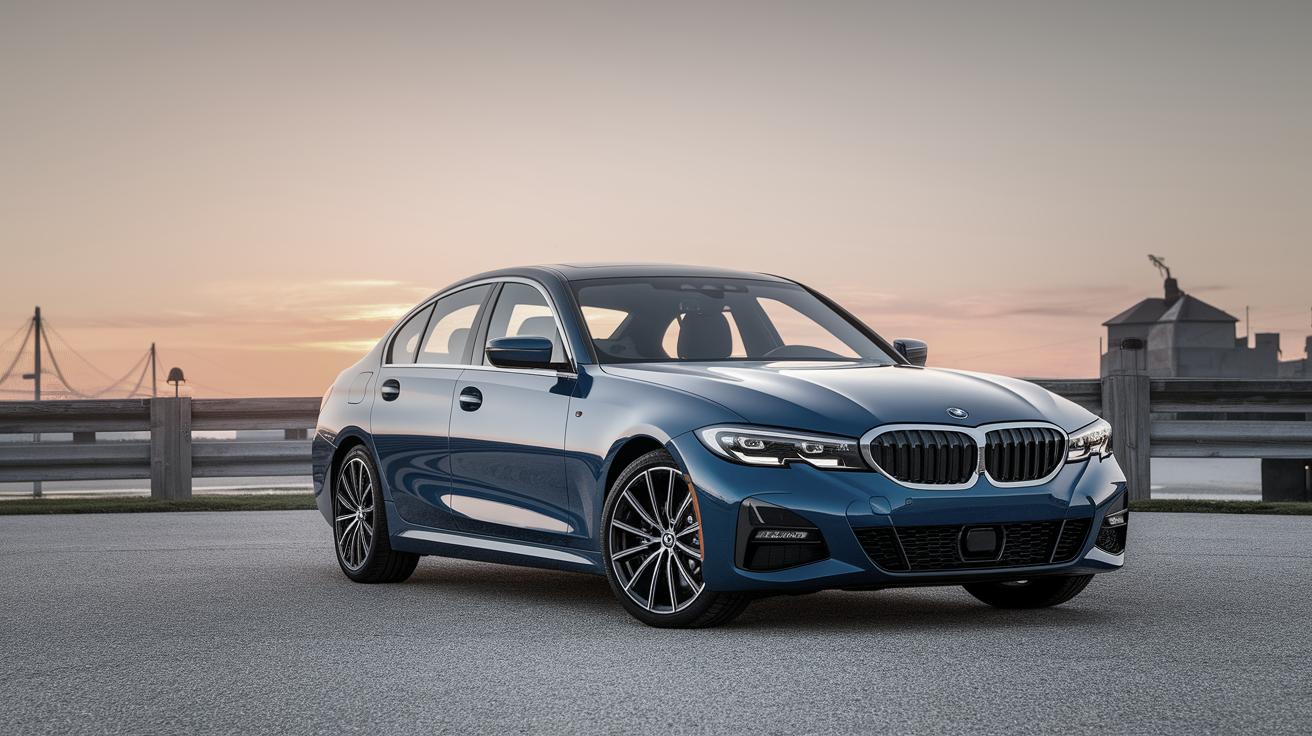
BMW categorizes its vehicles into Series, ranging from the entry-level 3 Series to the opulent 7 Series, including its lineup of X models focused on SUVs. Within these Series, trims such as Standard, Sport, and M Performance are available, each with distinct features.
The M Performance trim, particularly, focuses on maximizing power and driving thrill. BMW also offers ‘i’ models, which prioritize sustainability and innovation through electric and hybrid technology, showcasing the brand’s forward-thinking approach.
Ultimately, BMW’s trims revolve around enhancing the driving experience. Whether through sporting upgrades, tech packages, or luxury enhancements, BMW trims are tailored to those prioritizing performance linked with cutting-edge technology.
Mercedes Trims
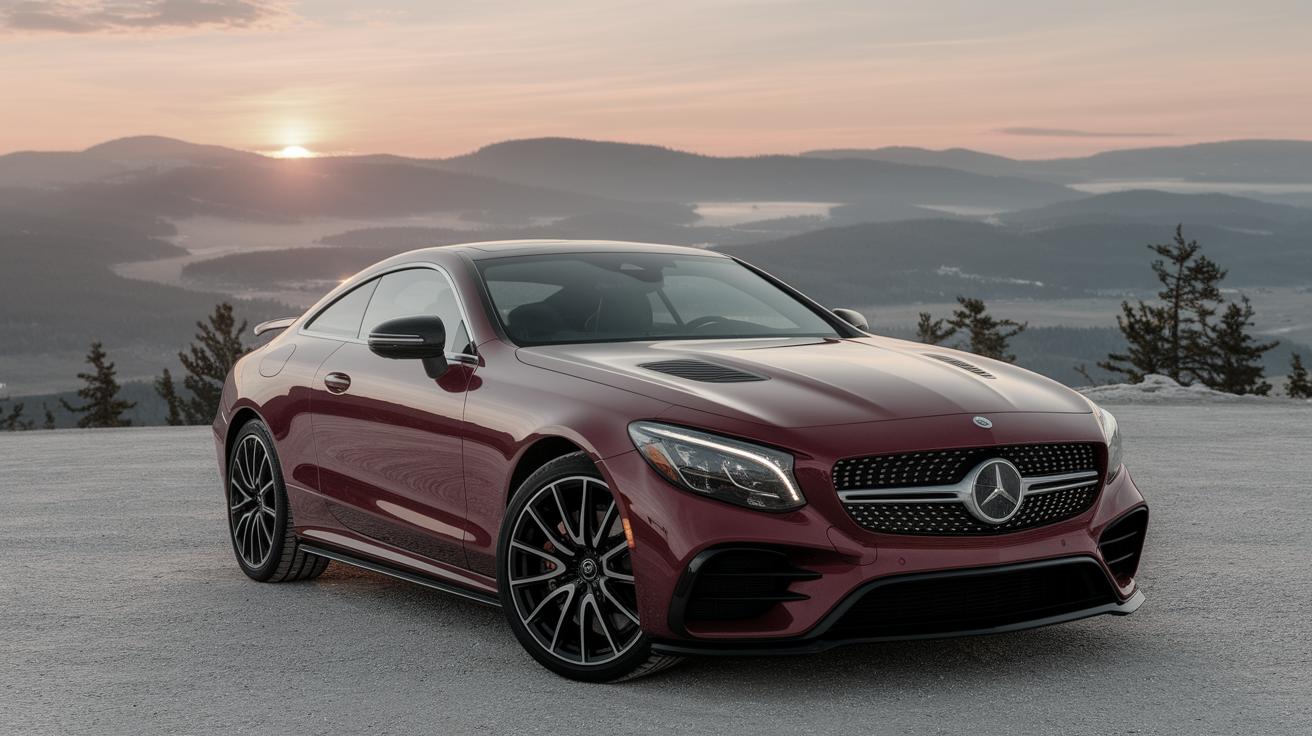
Mercedes-Benz also structures its models through classes like the C-Class for compact vehicles and the S-Class representing the pinnacle of luxury sedans. From Standard to AMG variants, trims vary broadly, each offering a balance of luxury and performance.
AMG trims are engineered for high performance but retain the luxury features Mercedes is renowned for. Hybrid and electric models, such as the EQ series, represent Mercedes’ commitment to eco-friendly luxury.
Mercedes-Benz trims are designed with a priority on opulence, comfort, and advanced tech features. Buyers loyal to Mercedes value an indulgent driving environment paired with innovation, offering a dignified, comfortable drive rather than a sport-centric focus.
Reliability
Reliability is a determinant factor for long-term satisfaction and maintenance costs. On various consumer reliability ratings, both BMW and Mercedes have consistently featured, though with distinct strengths and weaknesses based on models and trims.
BMW is generally praised for its performance consistency and engineering, although noted for higher maintenance costs due to complex mechanics, which could affect reliability perceptions. Regular servicing and genuine parts are recommended to maintain BMW’s reliability.
Mercedes-Benz is appreciated for its durability and luxurious builds. However, advanced electronics and high-tech features can occasionally lead to technical glitches, affecting its reliability standings. Preventative maintenance is essential to maintain optimal performance in Mercedes vehicles.
Verdict: BMW vs. Mercedes: which should you buy?
Choosing between BMW and Mercedes boils down to personal preferences for driving experience, luxury, and budget. BMW appeals to those seeking a dynamic and sporty drive, prioritizing performance and cutting-edge design. Conversely, Mercedes targets consumers longing for unmatched comfort, luxury, and technological integration in their driving life.
While both brands command high resale values and brand loyalty, customers should consider their specific needs—whether it’s the thrill of driving or a sumptuous ride. Test driving various trims could serve as the definitive factor in making the right choice.
The decision ultimately intertwines individual driving style preferences with priorities around reliability, luxury, performance, and budget constraints. Each brand offers a unique experience that is reflected in its approach to innovation and luxury.
Read more about choosing your car:
Summary
BMW and Mercedes-Benz both offer appealing reliability traits, with slight variances based on the models and their levels of complexity or tech integration. BMW’s focus on spirited driving contrasts to Mercedes’ dedication to comfort and luxury. Evaluating personal preferences for driving and car ownership are vital for making a well-informed choice.
Related
-
The Future of Electric Cars: BMW vs. Mercedes
-
Luxury Cars on a Budget: How to Find the Best Deals
-
An Overview of the Luxury Car Market in 2023
Next Steps
| Category | BMW | Mercedes-Benz |
|---|---|---|
| History | Performance-oriented heritage since 1916 | Innovation in luxury since 1886 |
| Trim Levels | Performance-focused trims | Luxury-centric trims with performance options |
| Reliability | High maintenance performance | Durability with advanced tech |
| Best for | Driving enthusiasts | Luxury seekers |