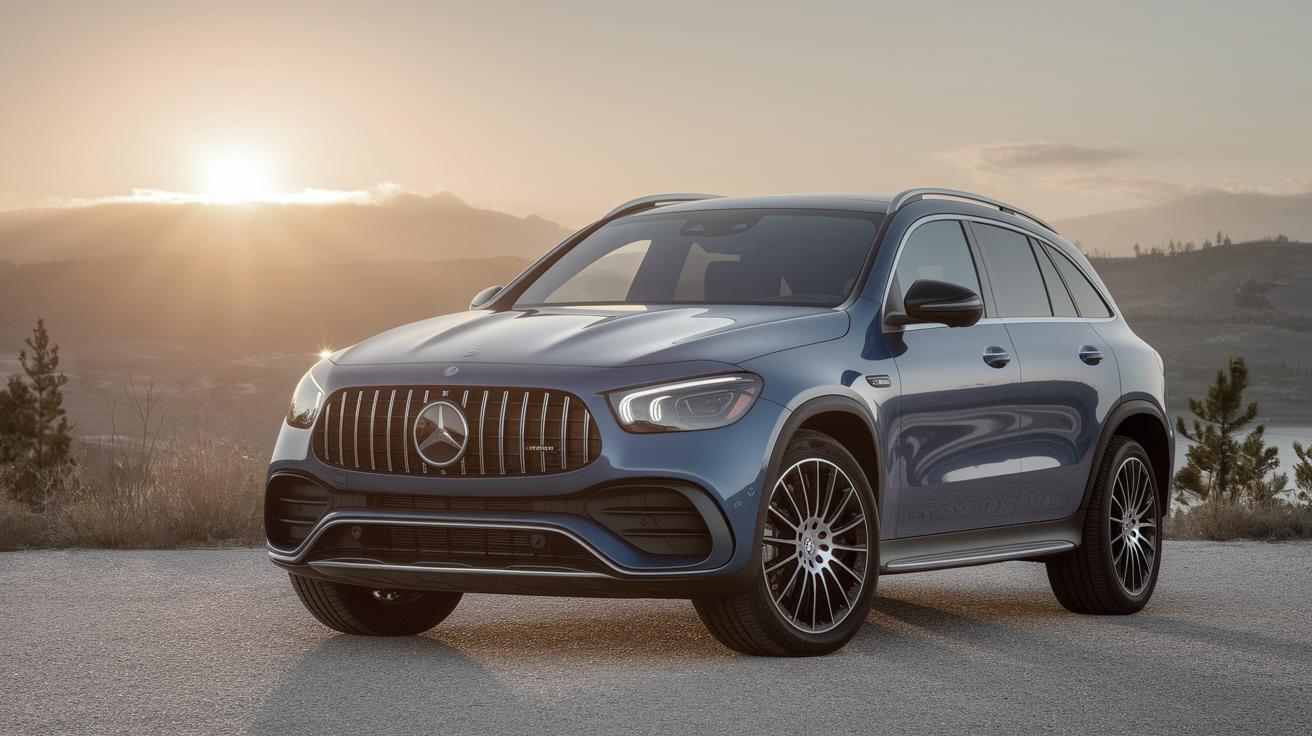
When Does Mercedes Release 2024 Models?
The anticipation for the 2024 Mercedes models is palpable among car enthusiasts and consumers alike. Mercedes-Benz, renowned for luxury, performance, and innovation, is expected to release its latest offerings soon. In this blog post, we delve into the potential timeline for the release, the pros and cons of Mercedes’ timing strategy, and other elements surrounding the excitement for new models. We’ll assess the benefits and drawbacks across multiple aspects, to offer a thorough understanding for potential buyers and Mercedes aficionados. Whether you’re curious about model updates, technology advancements, or market impacts, this post covers everything you need to know about the 2024 Mercedes lineup.
Pros
One potential advantage of Mercedes’ timing for releasing their 2024 models is the strategic alignment with market trends. By releasing models early in the year, Mercedes ensures consumers gain immediate access to the latest technologies and innovations that are expected to dominate the automotive industry. This aligns perfectly with the demand for advanced features, allowing the brand to stay competitive in the luxury car market.
Another benefit of an early release is the ability to capitalize on dealership sales targets for the new year. As buyers begin shopping for newer models, Mercedes can maintain a strong sales momentum by presenting an attractive blend of updated features, design enhancements, and performance improvements, ensuring that consumer interest remains high.
Cons
However, releasing models too early in the calendar year can also be a double-edged sword for Mercedes. There is a risk that earlier models may not include all the latest technologies, which often become available later in the year. This could potentially lead to a situation where buyers feel their newly purchased vehicle is outdated sooner than expected, possibly affecting customer satisfaction.
There is also the challenge of production and supply chain logistics. Releasing models early can put a strain on manufacturing processes, leading to potential delays or unforeseen issues that could impact the overall launch schedule. This issue is exacerbated if Mercedes encounters global supply chain disruptions, which could dampen the initial excitement over the new models.
Pros
Mercedes’ consistent focus on innovation can also be seen as a positive factor when it comes to their release strategy. By rolling out new models early, Mercedes can showcase cutting-edge technology that distinguishes them from competitors. This positions the brand as a leader in automotive technology, attracting tech-savvy consumers who prioritize state-of-the-art features.
The early release timeline also offers Mercedes an extended marketing window. This allows for elaborate promotional campaigns that can effectively build hype and anticipation around new models. The timing enables potential customers to plan their purchases well in advance, aligning their financial preparations to coincide with the release dates.
Cons
One downside to consider is customer perception regarding model updates. When models are released early, the wait for potential mid-year updates or enhancements might create confusion or dissatisfaction among customers, who may delay their purchasing decision, waiting for more advanced features to be included later in the year.
Another concern is the competition’s response to Mercedes’ early release schedule. Rival manufacturers may respond by accelerating their own model updates, potentially overshadowing Mercedes’ advancements with their own innovative features or more competitive pricing strategies.
Pros
Release timing also affects dealer relationships and inventory management in a positive way. By scheduling new models early, Mercedes supports dealer networks in managing inventory more efficiently, reducing the downtime associated with model year rollover and improving the allocation of resources to promote and sell the new models.
Ahead-of-schedule releases can transit to immediate feedback from both dealers and customers, which can be crucial for refining marketing strategies and responding dynamically to market demands. This proactive approach ensures that Mercedes remains attuned to customer needs and preferences throughout the year.
Cons
Despite these benefits, the pressure on dealerships to manage existing inventory while preparing for new model arrivals can be substantial. Earlier releases necessitate strategic inventory control to avoid overstocking previous models, potentially leading to significant markdowns or reduced profit margins.
This need for strategic transition might also lead to an increased burden on dealership staff, requiring additional training and resources to become fully equipped to handle and market the newly released vehicles effectively.
Pros
The consumer experience is pivotal, and releasing models early allows Mercedes to set the stage for dynamic launch events and experiential marketing. This enhances customer engagement, driving stronger brand loyalty by making every model release a standout event within the automotive industry.
Additionally, customer excitement can be amplified by the opportunity to pre-order the new models, which not only boosts initial sales figures but also helps Mercedes manage prospective buyer expectations and production scheduling more effectively.
Cons
On the flip side, pre-order systems need to be robust and efficient to handle increased consumer interest. Mismanagement of expectations or delivery delays can lead to dissatisfaction, potentially causing damage to the brand’s reputation.
Moreover, with heightened anticipation comes an increase in scrutiny. Any discrepancies, minor issues, or recalls become highly visible, potentially overshadowing the successful aspects of the new model release.
Pros
Finally, engaging media and press coverage is a notable advantage of early releases. By capturing media attention during quieter auto industry periods, Mercedes ensures extensive coverage of their new models, securing valuable publicity and growing brand recognition.
This media blitz can also positively impact public perception, establishing Mercedes as an innovative front-runner, which can further enhance consumer trust and brand value in an increasingly competitive automotive market.
Cons
However, early media coverage requires strategic planning and execution. Missteps in messaging or inadequate management of public relations efforts can lead to adverse effects, potentially overshadowing the merits of the new models.
The challenge also lies in maintaining consistent, positive media coverage throughout the year, as competitors may take advantage of any prolonged gaps or missteps in Mercedes’ media strategy.
Final Thoughts
| Aspect | Pros | Cons |
|---|---|---|
| Timing | Aligns with market trends; Early access to innovation | Risk of outdated perception; Supply chain challenges |
| Technology | Showcases cutting-edge innovation; Longer marketing window | Mid-year update confusion; Competitor responses |
| Dealerships | Improved inventory management; Feedback-driven adjustments | Inventory control pressure; Increased staff training needs |
| Consumer Experience | Dynamic launch events; Pre-order availability enhances sales | Pre-order system challenges; Heightened scrutiny and risk |
| Media and Publicity | Extensive media coverage; Positive brand perception | Need for strategic execution; Competitor media strategies |
You May Also Like
- How to Prepare for Your Next Car Purchase in 2024
- The Best Luxury Automobiles of the Year: An In-Depth Review
- Future Trends in Automotive Design and Technology
MotorTrend Recommended Stories
- Innovations in Electric Vehicles: What to Expect in 2024
- The Ultimate Guide to Understanding Car Safety Ratings
- A Sneak Peek into Concept Cars: Bridging Dreams and Reality