Mercedes or BMW: Which is Better?
Choosing between a Mercedes and a BMW has long been a subject of heated debate among automobile enthusiasts and prospective car buyers. Both brands boast a rich heritage, an array of luxury vehicles, and a reputation for excellence. In this blog post, we will delve into the design philosophies of each, explore their driving dynamics and engine options, evaluate pricing structures, and assess reliability. Through these comparisons, we aim to provide insight that will help you decide which brand sees you behind the wheel. We also answer some commonly asked questions regarding these two automotive giants.
BMW vs Mercedes Compared
Mike Vousden
Mike Vousden, a renowned automotive expert, has consistently highlighted the unique qualities that set BMW and Mercedes apart. In his analysis, Vousden often underscores the driving experience and luxury features as key differentiators. According to Vousden, BMW tends to focus more on driving dynamics, offering a sportier feel, whereas Mercedes often captures the luxury experience with a focus on comfort and elegance.
Vousden’s perspective is invaluable for understanding the core ethos of each brand. He emphasizes that personal preference plays a significant role, as both manufacturers excel in different areas—BMW in sportiness and Mercedes in luxury. His analysis often serves as a guide for consumers looking to make an informed decision between the two.
Design
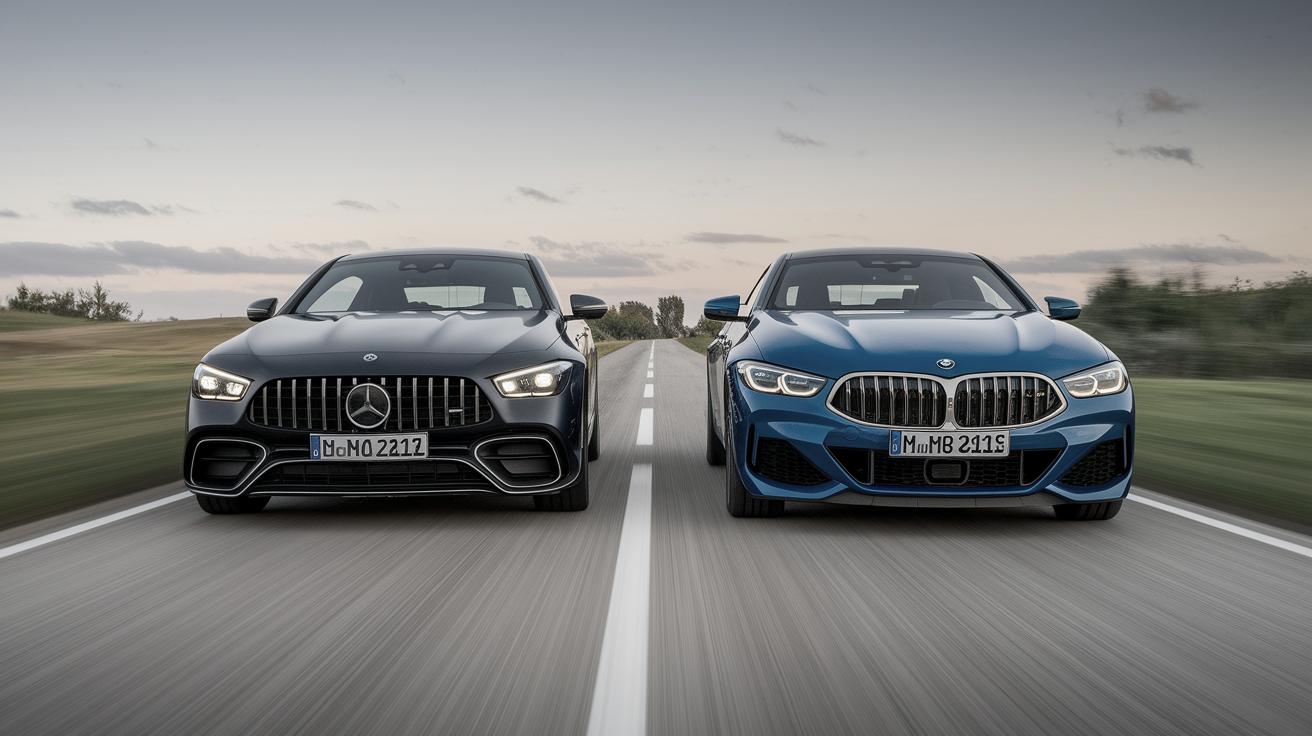
When it comes to design, BMW and Mercedes each present a distinct aesthetic approach. BMW vehicles are often characterized by their bold, dynamic lines and a design philosophy that leans towards a sporty and aggressive look. The signature kidney grille and sharp angles contribute to an appearance that appeals to those seeking a more performance-oriented image.
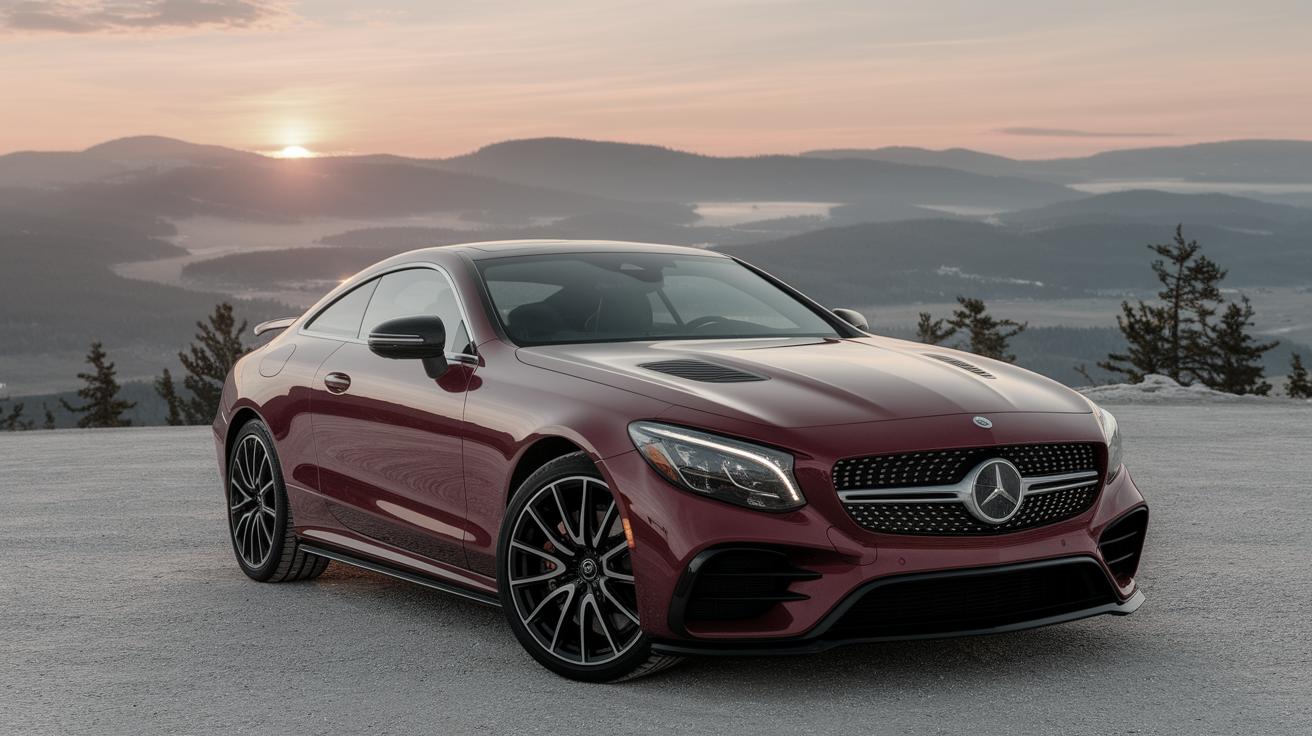
In contrast, Mercedes-Benz cars often embody elegance and luxury in their design language. The smooth and flowing lines, coupled with the iconic star logo, promote a sense of grace and sophistication. Mercedes interiors reflect this ethos, focusing on plush materials and an opulent ambiance, whereas BMW’s interiors might prioritize a cockpit-like environment tailored to the driver.
Engines and Driving
The engine options and driving experience further distinguish BMW from Mercedes. BMW is renowned for its dedication to delivering a ‘driver’s car,’ with many models featuring rear-wheel drive and an even weight distribution for a balanced, engaging driving experience. The powertrains are tuned to deliver thrilling performance, especially in the sporty M models.
Mercedes-Benz, though not lacking in performance, places a greater emphasis on comfort and refinement across its lineup. The brand offers a range of powerful engines, but many of its models incorporate technology that ensures a smooth and luxurious ride, prioritizing passenger comfort over pure driving thrills. AMG models stand out by providing powerful performance with a luxury tilt.
Price
The pricing structure of BMW and Mercedes vehicles can vary significantly based on models and options. Generally, BMW might appear slightly more affordable due to its wide range of model options tailored to different price points. However, once customization and higher trims are considered, prices can escalate quickly.
Mercedes vehicles often come with a higher starting price, reflecting their luxury positioning in the market. They offer fewer budget-friendly models, focusing instead on maintaining a premium perception with an emphasis on comfort and high-end features, which appeal to those willing to pay for luxury.
Reliability
Reliability is a crucial factor for many car buyers, and both BMW and Mercedes have their strengths and weaknesses in this area. BMWs are often praised for their durable build and robust engineering. However, some models have been noted for costly repairs, particularly out-of-warranty, which can impact long-term reliability perceptions.
Mercedes-Benz has also faced critiques regarding maintenance costs and the complexity of electronic systems in their vehicles. Nevertheless, they are frequently commended for build quality and longevity, especially when regular maintenance is performed. Both brands have made strides in improving reliability through technological advancements and quality control measures.
Which is Best?
Determining which brand is superior ultimately depends on individual priorities. For those inclined towards a dynamic and spirited driving experience, BMW often presents itself as the better option. Its dedication to performance-oriented engineering resonates with enthusiasts seeking a connection with the road.
Conversely, if luxury, comfort, and prestige are at the forefront of your purchasing decision, Mercedes-Benz provides a compelling proposition. The brand excels in offering plush interiors, state-of-the-art technology, and a reputation of indulgence that appeals to those who prefer traveling in style and comfort.
BMW vs Mercedes FAQs
Is BMW more expensive than Mercedes?
The cost comparison between BMW and Mercedes is not straightforward, as it largely depends on the specific models and trims being compared. BMW offers a broader range of entry-level models that can be more accessible price-wise. However, Mercedes often justifies its higher price tags with standard luxury features and a strong brand image.
Which car lasts longer, BMW or Mercedes?
Both BMW and Mercedes have vehicles that demonstrate longevity when properly maintained. However, there are numerous factors affecting the lifespan of each car, including how well the vehicle is looked after, the driving conditions, and adherence to regular service schedules. Historically, both brands have models known for durability and longevity.
You may also be interested in:
If this exploration into BMW and Mercedes has piqued your interest, you may want to consider diving deeper into specific model comparisons or exploring other luxury automotive brands like Audi, Lexus, or Jaguar. Each offers its own unique approach to luxury and performance, providing a broader landscape for automotive excellence.
In addition, car enthusiasts might find exploring the history of these brands and their impact on automotive engineering to be enlightening. The journey of both BMW and Mercedes through the years offers valuable insights into how each brand has adapted to changing automotive landscapes and consumer demands.
Summary of Main Points
| Category | BMW | Mercedes |
|---|---|---|
| Design | Sporty, dynamic, aggressive | Elegant, luxurious, sophisticated |
| Engines and Driving | Driver-focused, engaging, performance-oriented | Comfort-focused, smooth, luxurious with AMG options |
| Price | Wide range, potentially more affordable at entry-level | Higher starting prices, luxury premium |
| Reliability | Reliable engineering, possibly high repair costs | High build quality, complex electronics |