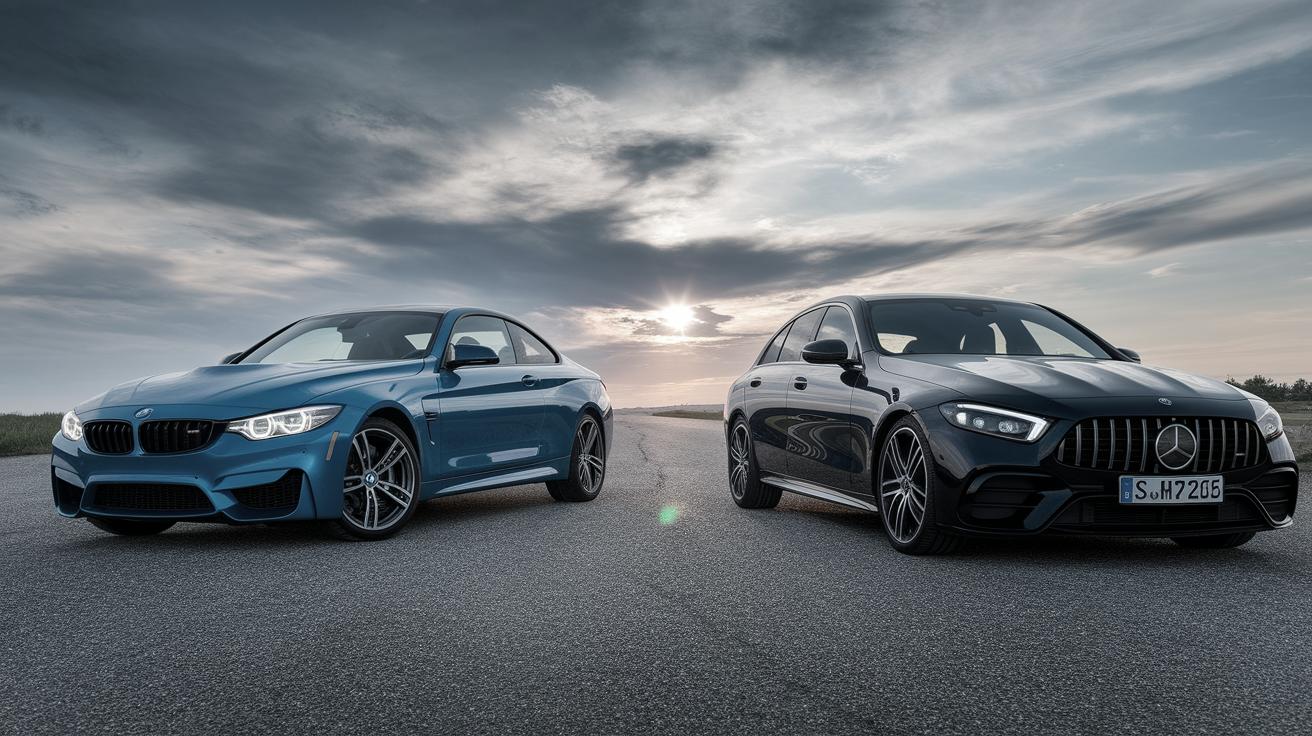
BMW vs. Mercedes: A Comprehensive Comparison
When it comes to luxury cars, BMW and Mercedes stand as titans in the field, each boasting a storied history
and a reputation for excellence. In the automotive world, choosing between a BMW and a Mercedes is a decision
many enthusiasts and buyers face. This article delves into the rich histories of these two iconic brands, examines
their trim levels, reliability, and evaluates which might be a better choice for different audiences. As we navigate
through the key differences and similarities, you will gain insights that might guide your next luxury vehicle
purchase. Ultimately, whether you’re drawn to BMW’s performance-driven approach or Mercedes’ luxurious comfort,
understanding these facets will illuminate which brand aligns best with your preferences.
History
BMW, short for Bayerische Motoren Werke, was established in 1916 and originally focused on aircraft engines before
moving to motorcycles and eventually automobiles. Its commitment to performance and innovation has always been a
cornerstone, cultivating a loyal following among driving enthusiasts. Over the decades, BMW has carved a niche for
sporty, responsive vehicles, emphasizing the ultimate driving experience with its catchphrase, “The Ultimate
Driving Machine.”
Mercedes-Benz, by contrast, traces its roots back even further to 1886 with the creation of the Benz Patent Motorwagen,
regarded as the first true automobile. Known for prioritizing luxury and pioneering advancements in safety and
technology, Mercedes has continually set benchmarks in the automotive industry. The brand’s ethos revolves around
providing an unparalleled luxurious and comfortable driving experience, evident in its slogan, “The Best or Nothing.”
Trim Levels
Understanding the various trim levels offered by BMW and Mercedes is pivotal for potential buyers. Trim levels
generally determine a vehicle’s features, performance, and price. Both brands offer a wide spectrum of trims, catering
to diverse market segments and individual preferences.
Each brand’s trim levels are curated to amplify specific aspects such as luxury, performance, or technology. Car enthusiasts
and potential buyers should examine these variations to identify which align with their priorities, whether it’s a
focus on cutting-edge safety features or robust engine performance. With these considerations, buyers are better equipped
to choose a vehicle that best matches their lifestyle and needs.
Audi Trims
Although our primary focus is on BMW and Mercedes, understanding how Audi trims align can provide a useful context
for comparison. Audi’s trims are known for combining opulence with technology. Typically, Audi models come in three
main trims: Premium, Premium Plus, and Prestige. Each level adds new features and technology, with Prestige being the
most advanced and luxurious.
Audi often emphasizes its Quattro all-wheel-drive system across its trims, enhancing handling and performance, especially
in adverse weather conditions. In terms of modern amenities and infotainment, Audi trims are robust, with the MMI touch
system standard on higher trim levels, highlighting a balance of luxury and sophistication.
BMW Trims
BMW trims focus largely on performance, with each trim offering a unique setup that caters to driving enthusiasts.
Core trims typically include the base model, Sport Line, and M Sport, each adding distinctive features. The M series,
in particular, stands as the beacon for performance enthusiasts, offering superior power and handling capabilities.
Technological innovation is also a standout in BMW trims, as newer models come equipped with features such as the
BMW iDrive system, which provides intuitive controls and connectivity options. The emphasis on precision and driving
dynamics is consistently evident across all trim levels, ensuring that even the base models deliver an exhilarating
driving experience.
Mercedes Trims
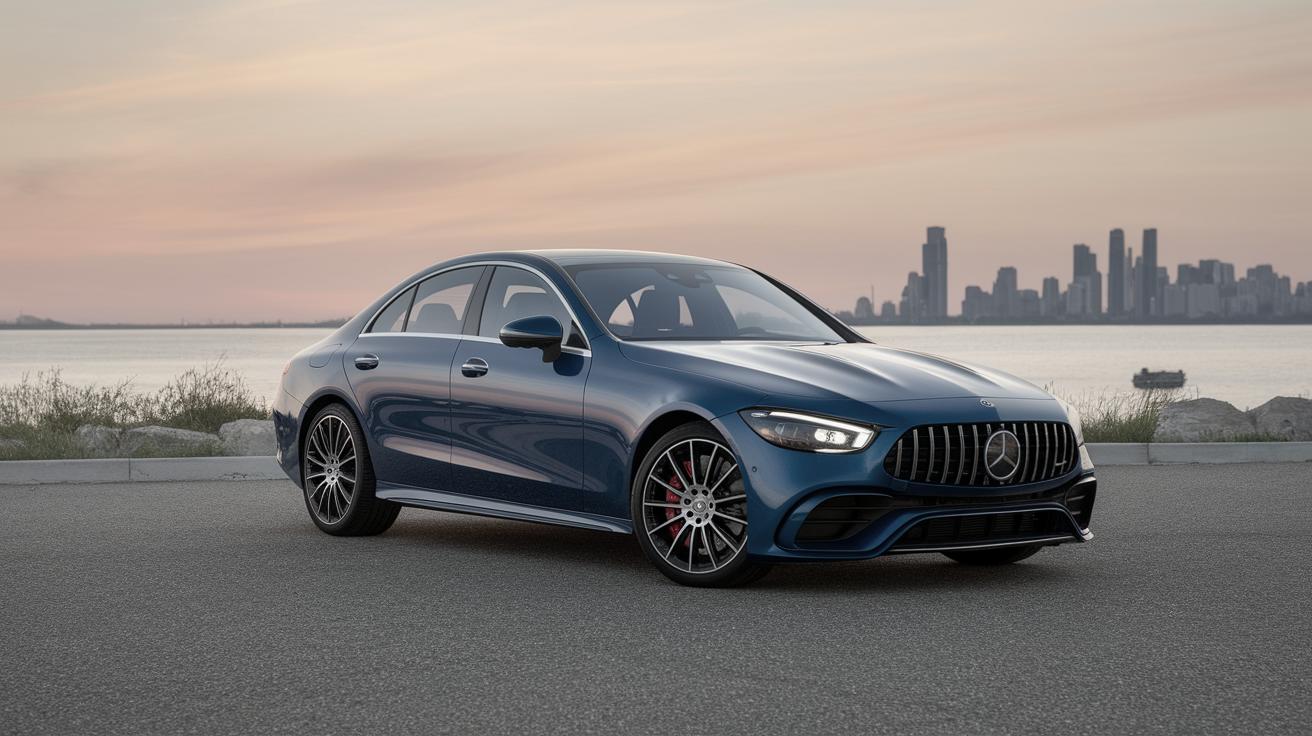
Mercedes offers a variety of trims designed to emphasize comfort, luxury, and cutting-edge technology. Typically,
Mercedes trims include base models, Luxury, and AMG trims, with each progression enhancing comfort features and
performance options. AMG stands apart with its high-performance offerings, which include distinctive styling
and superior engineering.
Notable for its attention to interior design, Mercedes trims provide an opulent driving environment, incorporating
the latest in infotainment and safety technology. The brand’s Mercedes Me service exemplifies its commitment to
innovation, offering connected-car technology that allows owners to control various vehicle functions remotely.
Reliability
Reliability is a crucial factor when comparing BMW and Mercedes, as it impacts the longevity and maintenance costs
of a vehicle. Historically, Mercedes has been renowned for its durable construction and steely reliability. Many
Mercedes models are known to maintain performance well beyond the standard lifespan of a vehicle.
BMW, while also reliable, often ranks slightly below Mercedes in long-term dependability. This difference can
be attributed to BMW’s focus on providing high-performance vehicles that although thrilling to drive, may require
more maintenance. In recent years, both brands have improved their focus on reliability, implementing innovations
to reduce repair costs and enhance longevity.
Verdict: Audi, BMW, or Mercedes?
Choosing between Audi, BMW, and Mercedes ultimately depends on what you prioritize in a vehicle. BMW excels
in delivering an exhilarating driving experience with its dynamic performance vehicles. If pleasure from driving
is your top priority, BMW stands out as a compelling choice.
Mercedes, on the other hand, focuses on providing a luxurious and comfortable ride. Known for its advanced
safety features and plush interiors, it is the perfect fit for those who value opulence and cutting-edge technology.
Audi, running parallel in many respects, offers a balanced option with a technological edge and comes often at a
slightly more competitive price point.
Read More About Choosing a Car
The decision to purchase a car is multifaceted and deeply personal. While this article provides a comparison of
BMW and Mercedes, it’s just the first step in a broader journey. Dive deeper into our other resources, which cover
topics such as the importance of test drives, negotiating car prices, and understanding the long-term costs of
ownership. These insights can help you make informed decisions that align with your needs and lifestyle.
Whether you are a first-time luxury car buyer or a seasoned enthusiast, expanding your knowledge about different
models and features will only enhance your appreciation for the intricacies of automobile craftsmanship. Discover
the perfect car that matches your aspirations and financial plan, and embrace the road ahead with confidence.
| Aspect | BMW | Mercedes | Audi |
|---|---|---|---|
| History | Founded in 1916, focused on performance and innovation. | Founded in 1886, pioneers in luxury and safety. | Established in 1909, renowned for combining opulence and technology. |
| Trim Levels | Base, Sport Line, M Sport; focus on performance. | Base, Luxury, AMG; emphasis on comfort and luxury. | Premium, Premium Plus, Prestige; highlights balance and technology. |
| Reliability | Good, slightly lower than Mercedes. | Very reliable, with a focus on durability. | Generally reliable, competitive pricing. |
| Focus | Performance and the driving experience. | Luxury and comfort, cutting-edge technology. | Technological innovation and balance. |