Unraveling Engine Collaborations in the Automotive World
Collaborations in the automotive industry often manifest in intriguing and unexpected ways, especially when it comes to engines. Some of the most iconic models on the streets today house engines developed through unique partnerships across brands, showcasing the blending of expertise and technology. This article dives into ten notable vehicles that utilize engines from unlikely sources, shedding light on how these collaborations impact performance, innovation, and market dynamics. From the Ferrari-powered Alfa Romeo Giulia QV to the Renault-powered Mercedes-Benz A-Class, each case exemplifies a fascinating aspect of the automotive landscape. Join us as we explore the synergy between renowned car manufacturers and discover which engines power these exceptional vehicles.
Alfa Romeo Giulia QV – Ferrari
The Alfa Romeo Giulia QV, celebrated for its potent performance and Italian flair, boasts a Ferrari-derived engine. Specifically, the 2.9-liter twin-turbo V6 engine inside the Giulia QV shares its fundamental architecture with Ferrari’s powertrains, optimizing performance with 503 horsepower. This collaboration infuses the Giulia with Ferrari’s race-inspired engineering, offering an exhilarating driving experience.
Leveraging Ferrari’s expertise, Alfa Romeo has transformed the Giulia QV into a fierce competitor in the sports sedan segment, merging elegance with raw power. This cooperative venture not only elevates the Giulia’s status but also extends Ferrari’s influence beyond its luxury sports car realm, showcasing the versatility and adaptability of its engineering prowess.
Aston Martin Vantage – Mercedes-AMG
Aston Martin’s Vantage models have long been celebrated for their quintessentially British design and driving dynamics. However, their engine heart comes from a surprising source: Mercedes-AMG. Under this collaboration, the Vantage is equipped with a 4.0-liter twin-turbo V8 engine that serves as a testament to Mercedes-AMG’s engineering excellence.
This partnership has allowed Aston Martin to infuse cutting-edge German engineering into their traditional craftsmanship, creating a vehicle that embodies the best of both worlds. With enhancements to performance and reliability, the Vantage appeals to enthusiasts who crave power wrapped in a luxurious package, illustrating how strategic collaborations can redefine brand identities.
BMW 116i (F20) – PSA
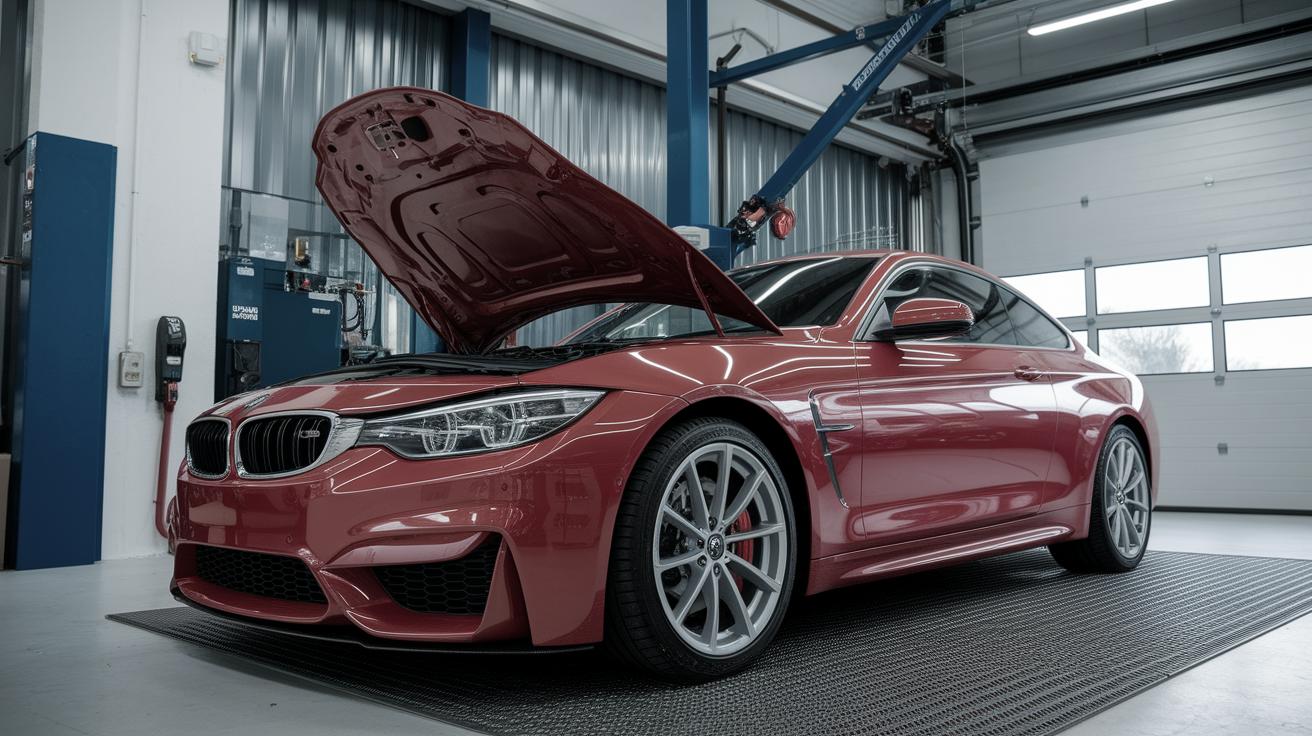
The BMW 116i (F20) is another interesting example of cross-brand engine utilization. This particular model is equipped with a motor developed by PSA, the parent company of Peugeot and Citroën. Utilizing PSA’s 1.6-liter turbocharged engine, the 116i offers an alternative to BMW’s traditional powerplants, focusing on efficiency and everyday usability.
This engine-sharing initiative reflects a broader industry trend toward collaboration to meet specific emission standards and optimize resource use. For BMW aficionados, the 116i provides a balance between performance and economy, presenting an appealing option despite diverging from the classic inline-six engines typically associated with the brand.
Donkervoort D8 GTO-RS – Audi
The Dutch automotive manufacturer Donkervoort is known for its lightweight, high-performance sports cars, and the D8 GTO-RS is no exception. This model leverages the power of Audi’s 2.5-liter five-cylinder engine, renowned for its distinctive sound and performance capabilities.
By utilizing Audi’s robust engine, Donkervoort has created a vehicle that offers an exhilarating driving experience with impressive power-to-weight ratios. The alliance with Audi ensures that the D8 GTO-RS maintains reliability and standards synonymous with German engineering while retaining the unique character and bespoke nature of a Donkervoort vehicle.
Lamborghini Huracan Performante – Audi
The Lamborghini Huracan Performante is a marvel of Italian design and engineering, yet at its core lies an engine developed in cooperation with the Volkswagen Group, specifically Audi. The naturally aspirated 5.2-liter V10 engine is a shared asset between these two legendary brands.
This collaboration allows Lamborghini to benefit from Audi’s technical advancements and reliability, embedding German precision within Italian artistry. Such partnerships help Lamborghini continue to produce ferocious, high-revving engines that delight drivers while maintaining the iconic traits that define the Lamborghini experience.
Lotus Evora – Toyota
The Lotus Evora encapsulates the simplicity and elegance for which Lotus cars are known, yet it does so with the use of a Toyota-sourced engine. The 3.5-liter V6 engine from Toyota offers the Evora not just power, but remarkable reliability and ease of maintenance.
This engine partnership reflects Lotus’s strategy to blend its engineering ethos with the durability and efficiency of Toyota powertrains. The Evora, thus, delivers a balance of spirited performance with everyday functionality, leveraging Toyota’s extensive experience in developing robust and reliable engines.
Mercedes-Benz A-Class – Renault
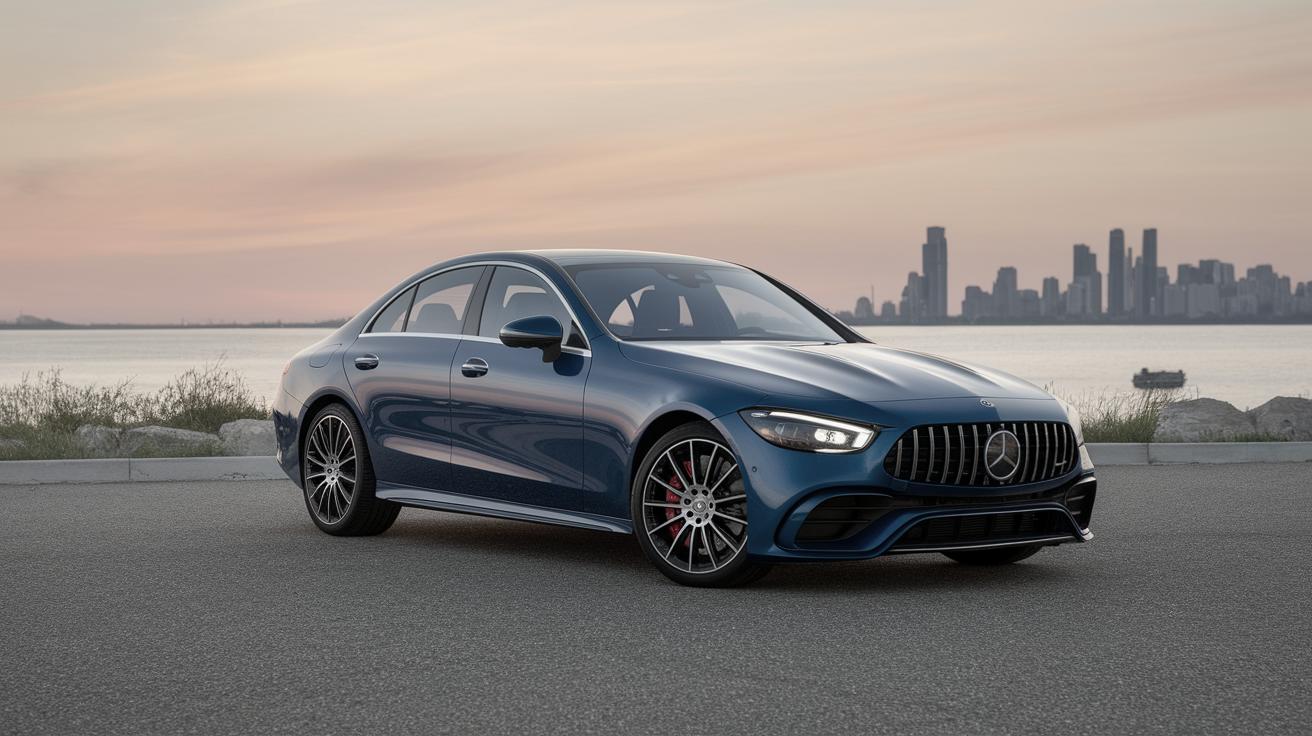
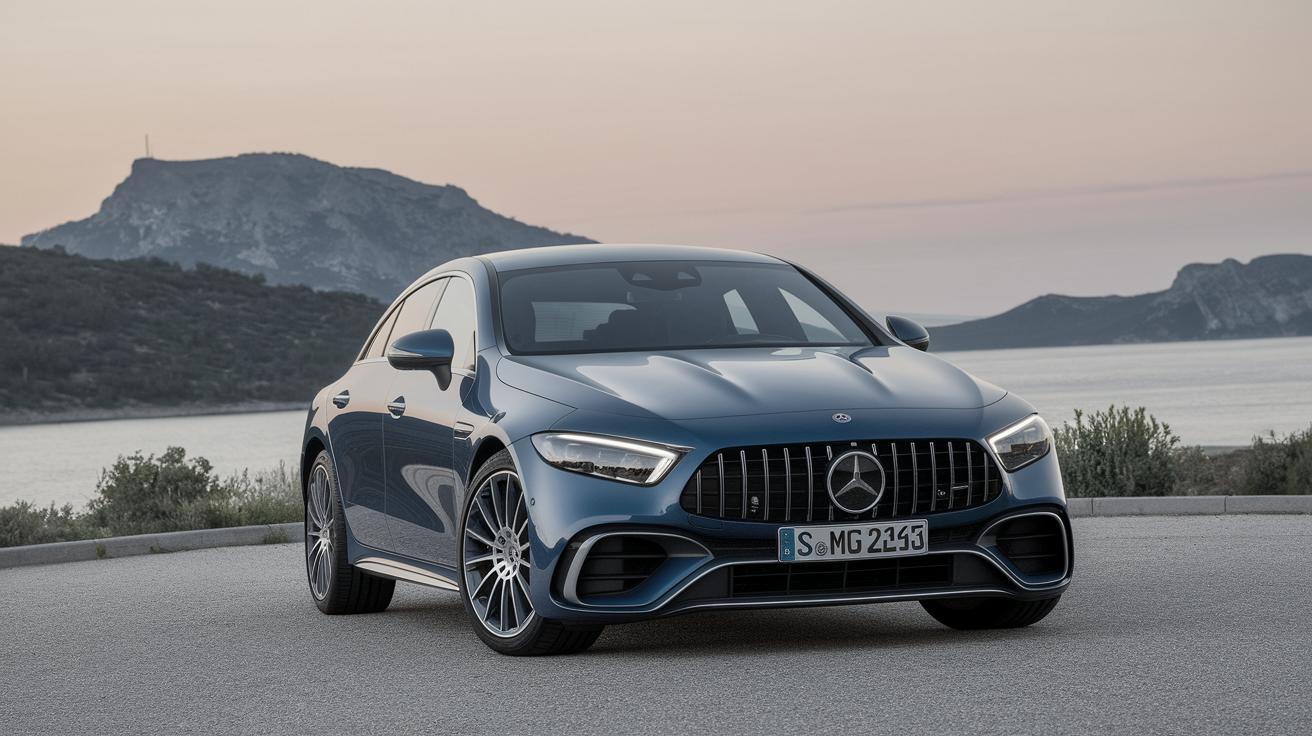
The Mercedes-Benz A-Class, particularly in its entry-level variants, features engines developed through a collaboration with Renault. This relationship involves using Renault’s small-capacity, turbocharged engines that prioritize fuel efficiency without compromising on the premium feel synonymous with Mercedes-Benz.
By incorporating Renault engines, Mercedes-Benz can offer competitive entry-level models tailored to urban commuters and eco-conscious drivers. This partnership exemplifies how brands can work together to meet evolving market demands while maintaining their respective identities and standards of quality.
Pagani Huayra – Mercedes-AMG
The Pagani Huayra, a symbol of opulence and performance, is powered by an engine handcrafted by Mercedes-AMG. The 6.0-liter twin-turbocharged V12 is a masterpiece that delivers breathtaking performance and a distinctive roar, befitting the Huayra’s status as a hypercar.
This alliance illustrates the perfect fusion of Pagani’s artistic craftsmanship with Mercedes-AMG’s engineering expertise. For Pagani, utilizing AMG engines ensures that its hypercars not only meet expectations for speed and power but also maintain the reliability and sophistication expected by its elite clientele.
Smart Fortwo – Renault
The Smart Fortwo, known for its compact size and urban practicality, houses engines developed by Renault. This collaboration with Renault has equipped the Fortwo with small, efficient engines that are perfectly suited for city driving, emphasizing practicality and eco-friendliness.
Such a partnership between Smart and Renault demonstrates how strategic engine sourcing can address specific market niches while adhering to regulatory requirements. With Renault engines, the Fortwo remains competitive in the microcar segment, appealing to those who prioritize sustainability and ease of driving in urban environments.
Toyota GT86 – Subaru
The Toyota GT86 is a product of a unique collaboration with Subaru, resulting in a shared Boxer engine platform. This flat-four engine design is a hallmark of Subaru engineering, known for its low center of gravity and balance, enhancing the GT86’s handling capabilities.
This collaboration allows Toyota to offer a finely tuned sports car that thrives on agility and driver engagement. The engine collaboration with Subaru has given rise to a modern icon, proving that partnerships can lead to vehicles that exceed their individual components, delivering pure driving pleasure to enthusiasts worldwide.
Final Thoughts
| Car Model | Engine Source |
|---|---|
| Alfa Romeo Giulia QV | Ferrari |
| Aston Martin Vantage | Mercedes-AMG |
| BMW 116i (F20) | PSA |
| Donkervoort D8 GTO-RS | Audi |
| Lamborghini Huracan Performante | Audi |
| Lotus Evora | Toyota |
| Mercedes-Benz A-Class | Renault |
| Pagani Huayra | Mercedes-AMG |
| Smart Fortwo | Renault |
| Toyota GT86 | Subaru |