Exploring the Shared DNA of Iconic Automobile Brands: Engine Partnerships and Collaborations
The automotive industry is rife with intriguing collaborations and shared innovations. Among the most fascinating aspects is the sharing of engine designs between different automobile manufacturers. Whether it’s Mercedes-Benz utilizing Renault engines or other car giants teaming up to enhance their models, these partnerships often surprise enthusiasts and deliver unique driving experiences. This blog post delves into various vehicles and their engine origins, highlighting the smart collaborations that push the boundaries of automotive engineering. From luxury sedans to compact city cars, discover how these collaborative efforts shape the cars we love today.
Mercedes-Benz A-Class – Renault
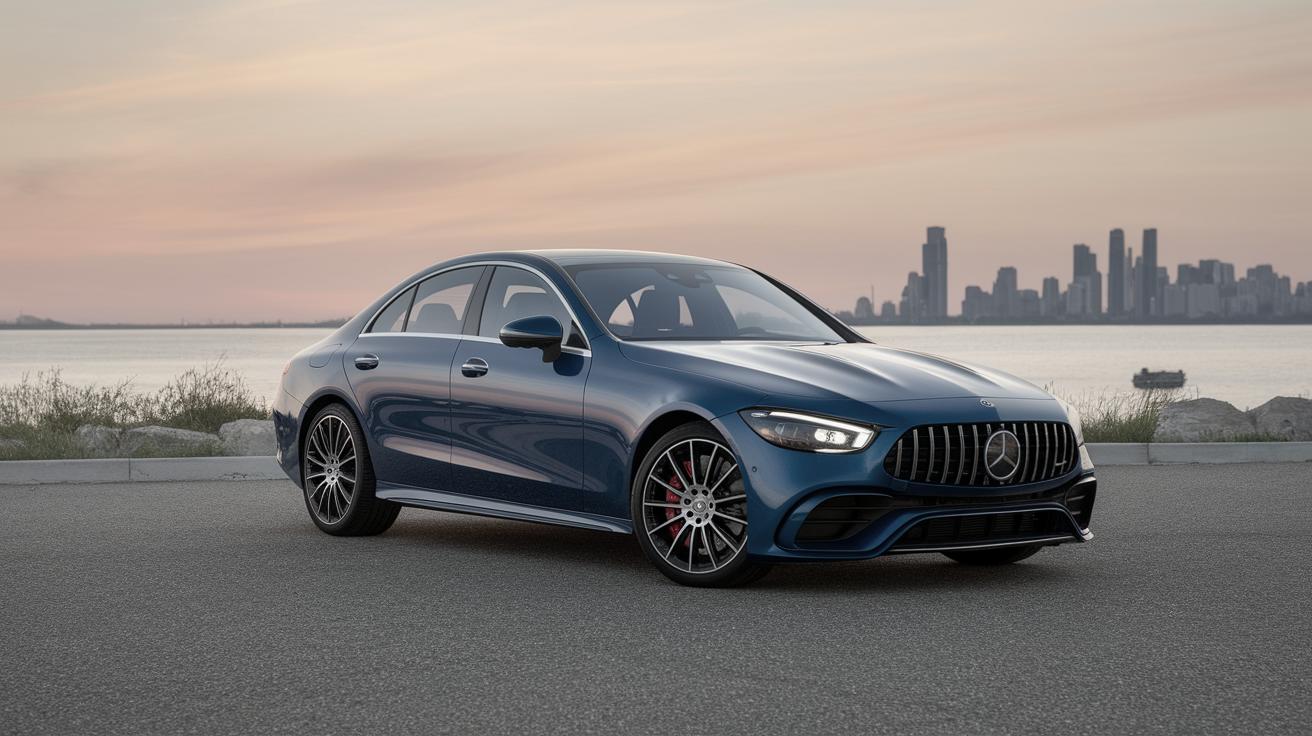
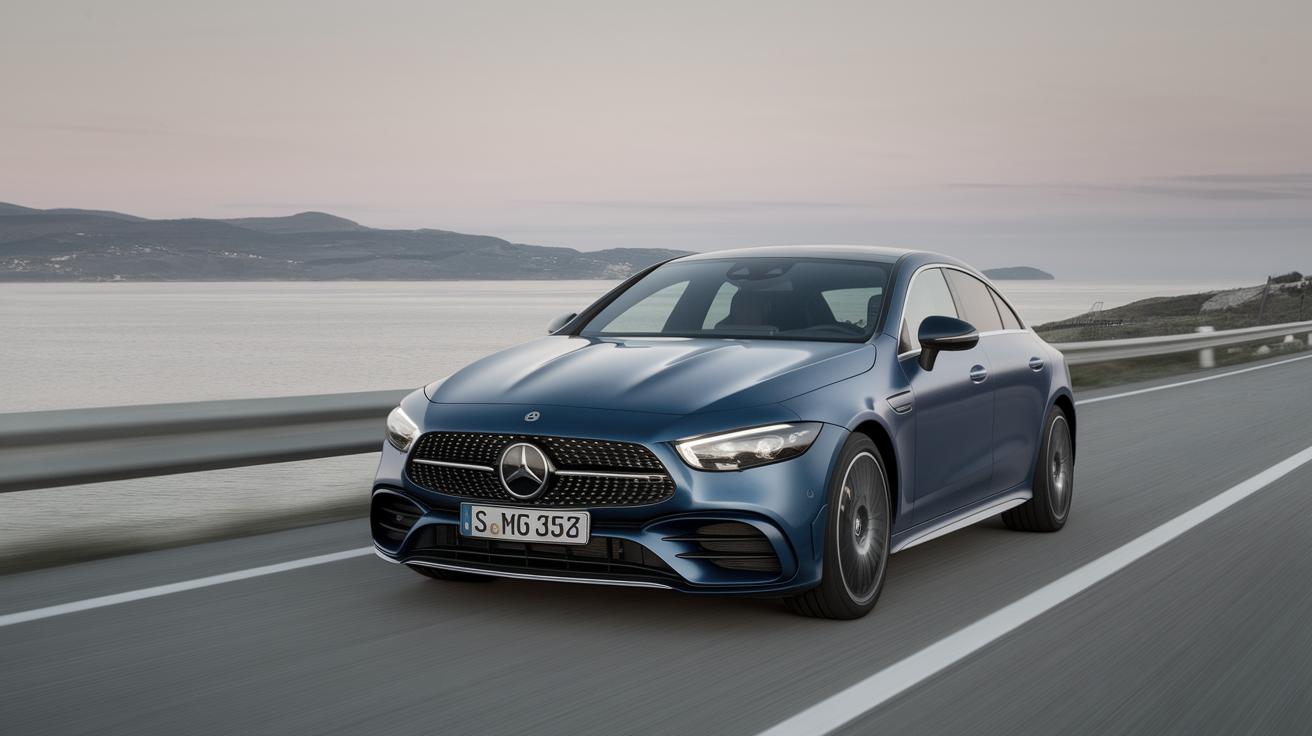
The Mercedes-Benz A-Class represents one of the most interesting cases of automotive collaboration. While known for its luxury and engineering prowess, Mercedes-Benz chose to incorporate a Renault engine in specific A-Class models. This partnership came about as part of a broader cooperation agreement between Daimler AG, the parent company of Mercedes-Benz, and the Renault-Nissan Alliance. Specifically, the A-Class utilizes a 1.5-liter diesel engine, which is based on Renault’s engine technology.
The decision to integrate Renault engines is not merely about cost-saving but also about providing high-efficiency powertrains that meet modern environmental standards. Renault’s experience and success in small displacement engines have been pivotal, allowing Mercedes-Benz to enhance its compact cars’ performance without compromising on fuel economy. The collaboration reaffirms the interconnected nature of the automotive industry, where even premium brands rely on shared expertise to cater to their diverse customer base.
Alfa Romeo Giulia QV – Ferrari
In a move that revved up excitement among performance car enthusiasts, Alfa Romeo’s Giulia Quadrifoglio Verde (QV) sports a heart that roars with Ferrari lineage. The engine, a 2.9-liter twin-turbocharged V6, is actually derived from Ferrari’s V8 powerplants. This technical transfer was facilitated by the Fiat-Chrysler group, under which both Alfa Romeo and Ferrari operated during this period.
Melding Alfa Romeo’s design philosophy with Ferrari’s sheer expertise in high-performance engines, the Giulia QV has set new benchmarks for both style and performance. The adroit engineering has not only provided Alfa Romeo with a strong contender in the sports sedan market but has also allowed Ferrari’s engine craftsmanship to be appreciated by a broader audience. The Giulia QV thus stands as a testament to leveraging internal synergies within a group to craft a world-class automobile.
BMW 116i (F20) – PSA
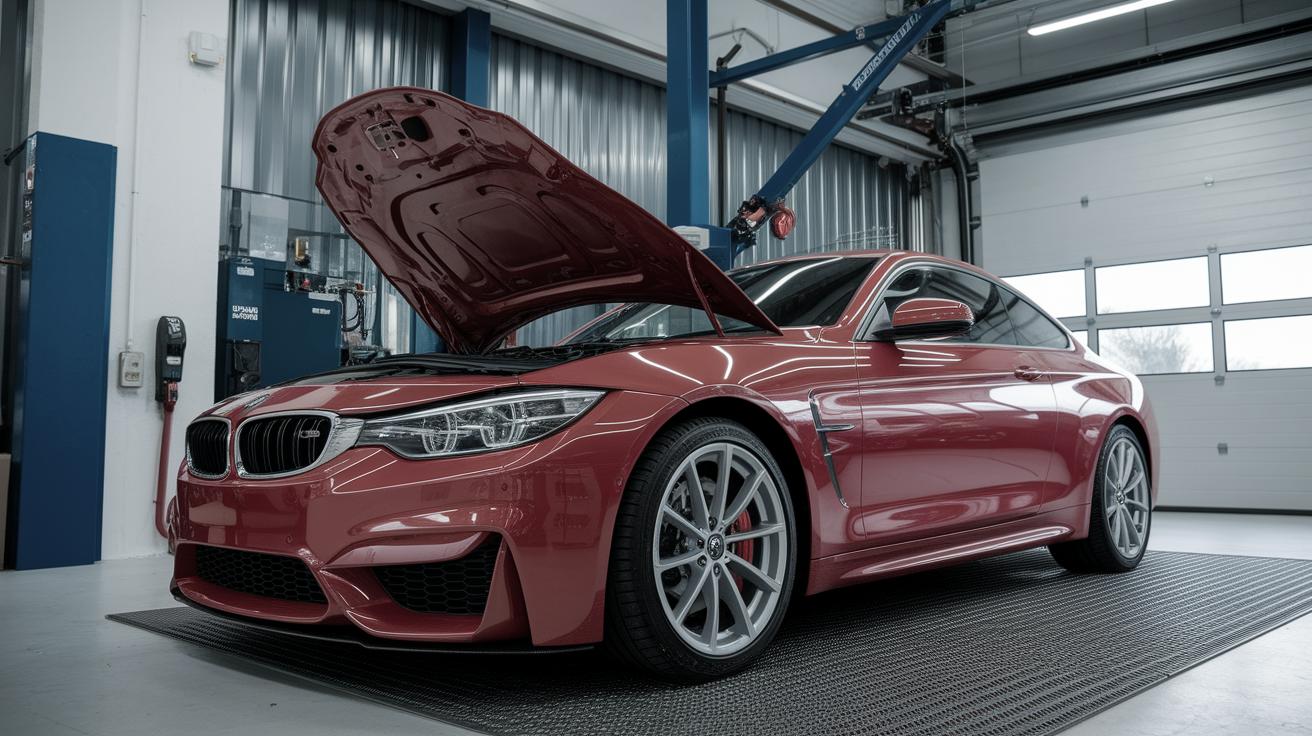
BMW, a brand synonymous with precision and performance, took a different route with the 116i (F20) model by integrating engines developed in collaboration with the PSA Group, the French automotive giant known for brands like Peugeot and Citroën. This collaboration aimed to deliver an efficient and accessible entry-model for BMW’s extensive lineup.
The engine in the 116i is a 1.6-liter unit, coming from the Prince engine family co-developed by BMW and PSA. The blend of German engineering with French motor development expertise resulted in an engine that complements BMW’s driving dynamics while offering excellent fuel efficiency. This partnership underscores the practicality of cross-brand alliances in bridging the gap between performance and economy in modern vehicles.
Pagani Huayra – Mercedes-AMG
Pagani, a niche Italian hypercar manufacturer, is renowned for crafting engineering masterpieces with unparalleled aesthetics and performance. At the core of the Pagani Huayra lies a powerful V12 engine supplied by Mercedes-AMG. This relationship with Mercedes-AMG gives Pagani access to some of the most advanced engine technologies in the world.
The bespoke twin-turbocharged V12 engine signifies a remarkable fusion of Italian design flair with German engineering excellence. The collaboration has enabled Pagani to deliver not only exhilarating performance but also a distinguished driving experience that is synonymous with exclusivity and luxury. This partnership showcases the importance of high-performance engineering collaborations in the supercar arena.
Smart Fortwo – Renault
The Smart Fortwo epitomizes urban mobility with its compact dimensions and efficient powertrain. Interestingly, the engine powering many of the Smart Fortwo models comes from Renault, further exemplifying the unusual yet productive alliances in the automotive industry. This partnership arose when Daimler sought to revamp the Smart brand with more efficient and reliable engine options.
The Renault-sourced engines provide the Smart Fortwo with modest yet sufficient power, focusing on maximizing fuel efficiency and reducing emissions. By utilizing Renault engines, Smart leverages the mass-production capabilities and technical expertise of Renault to stay viable and competitive within the microcar segment. This collaboration is a strategic move towards achieving economic viability and technical innovation in the city car category.
Aston Martin Vintage – Mercedes-AMG
Aston Martin’s collaboration with Mercedes-AMG has brought forth a breath of fresh engineering into the iconic British brand’s lineup, prominently evident in the Aston Martin Vintage series. At the heart of these vehicles is a robust V8 engine developed by Mercedes-AMG, marking a significant milestone in engine innovation for Aston Martin.
The fusion of British design with German precision has resulted in a series of vehicles that retain the soul of Aston Martin while benefitting from AMG’s superior performance capabilities. This partnership with Mercedes-AMG has allowed Aston Martin to refine its vehicles’ performance metrics, appealing to a new generation of driving enthusiasts who demand performance with panache.
Lamborghini Huracan Performante – Audi
The Lamborghini Huracan Performante exemplifies an audacious blend of Italian style and German technical sophistication. The collaboration between Lamborghini and Audi, both under the Volkswagen Group umbrella, has led to a vehicle that boasts innovation and unparalleled performance.
Utilizing an engine developed by Audi, the Huracan Performante delivers breathtaking power coupled with advanced handling dynamics. Audi’s engineering strength in producing reliable, high-performance engines complements Lamborghini’s design ethos, creating a vehicle that is both exotic and efficiently engineered. This mix has contributed to Lamborghini’s reputation for producing supercars that are thrilling to drive and technologically superior.
Donkervoort D8 GTO-RS – Audi
A boutique automaker with a penchant for creating lightweight sports cars, Donkervoort has leveraged Audi’s engineering expertise to power its D8 GTO-RS model. This car features Audi’s 2.5-liter five-cylinder turbocharged engine, renowned for its exceptional power and compact size.
The partnership with Audi provides Donkervoort with a high-performance engine capable of extraordinary speed and agility. Audi’s engine not only bolsters Donkervoort’s reputation for crafting performance-driven vehicles but also ensures reliability thanks to the robust engineering that characterizes Audi’s powertrains. This collaboration highlights how even niche manufacturers can benefit from alliances with larger automotive groups.
Lotus Evora – Toyota
Known for its lightweight, agile sports cars, Lotus has turned to Toyota for engines that power several of its models, including the Evora. The 3.5-liter V6 engine used in the Evora is sourced from Toyota, reflecting a relationship grounded in mutual technical respect and practicality.
Toyota’s reputation for reliable and efficient engines aligns with Lotus’s focus on performance and handling, making this collaboration a natural fit. The partnership allows Lotus to maintain its emphasis on crafting lightweight cars with precise handling, while Toyota ensures a dependable and powerful engine performance. This engine-sharing strategy has facilitated Lotus in maintaining its distinct identity in the competitive sports car market.
Toyota GT86 – Subaru
The Toyota GT86, known for offering a pure and engaging driving experience, is a result of a joint venture between Toyota and Subaru. The heart of the GT86 is a Subaru-derived boxer engine, enhancing the car’s low center of gravity and handling finesse.
This collaboration harmonizes Toyota’s prowess in vehicle design with Subaru’s expertise in boxer engines, producing a sports car celebrated for its balance and driving enjoyment. Both companies have benefited from this partnership, allowing each to reinforce their positions in the automotive market while tapping into shared technologies and design philosophies.
Next Steps: Summary of Engine Collaborations
| Vehicle | Engine Partner |
|---|---|
| Mercedes-Benz A-Class | Renault |
| Alfa Romeo Giulia QV | Ferrari |
| BMW 116i (F20) | PSA |
| Pagani Huayra | Mercedes-AMG |
| Smart Fortwo | Renault |
| Aston Martin Vintage | Mercedes-AMG |
| Lamborghini Huracan Performante | Audi |
| Donkervoort D8 GTO-RS | Audi |
| Lotus Evora | Toyota |
| Toyota GT86 | Subaru |